

























































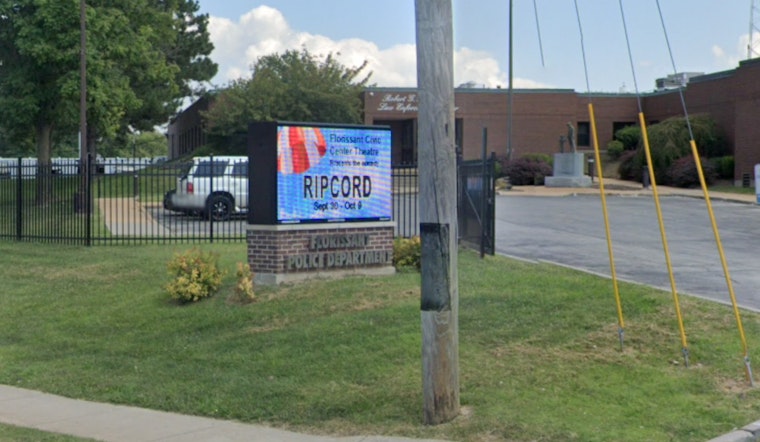
A lawsuit recently filed by a couple in Florissant, Missouri, alleges a former city police officer stole intimate photographs from a woman during a traffic stop earlier this year. According to Fox2Now, the couple, represented by Attorney Richard Voytas Jr., filed the suit on September 6, against the City of Florissant and an officer identified pseudonymously as "Joe Smith."
In an encounter detailed by the lawsuit, the officer stopped "Jane Doe" for what he claimed was a defective rear taillight and asked to see proof of insurance. Per the lawsuit, after Jane presented her phone to show the insurance information, the officer took the device to his police vehicle and severed its Bluetooth connection—holding onto the phone for at least ten minutes. The officer reportedly returned the phone without issuing any citation, as reported by Fox2Now.
Several months into the oblivion of uncertainty, the woman was contacted by the FBI, who had shockingly unearthed a photo of her in a naked state—a private moment she had only ever shared with her husband. As reported by Fox2Now, the FBI informed the woman that these images, alongside other explicit ones, were discovered in the possession of a Florissant police officer, now known to be "Joe Smith."
The couple's lawyer, Rick Voytas, expressed the urgency in unfolding the extent of the privacy breach—not just for his client but potentially others ensnared in similar traumas. "She is eager to begin the discovery process to learn more about what happened to her that day in February," Voytas told St. Louis Post-Dispatch. The suit suggests the couple believes there may be more photographs, other officers involved, and additional victims.
The Florissant Police Department has confirmed that the officer implicated is no longer on the force, and is cooperating with the ongoing FBI investigation. While the former officer and the couple involved are using pseudonyms for their protection in the legal documents, the nature of the allegations starkly illuminates the potential abuses of power by those entrusted with public safety and the continuing vulnerabilities of privacy in a digital age.





