

























































The debate over Norman's proposed entertainment district reached a critical point on Tuesday, with City Council members poised to vote on a financing plan that could secure the future of a new arena and adjacent developments. The project, which promises thousands of jobs alongside retail and office space, hinges on Norman's willingness to invest in its own transformation. According to KFOR, OU President Joseph Harroz Jr. argued at the public hearing, “You either get on board and invest or you get left behind.”
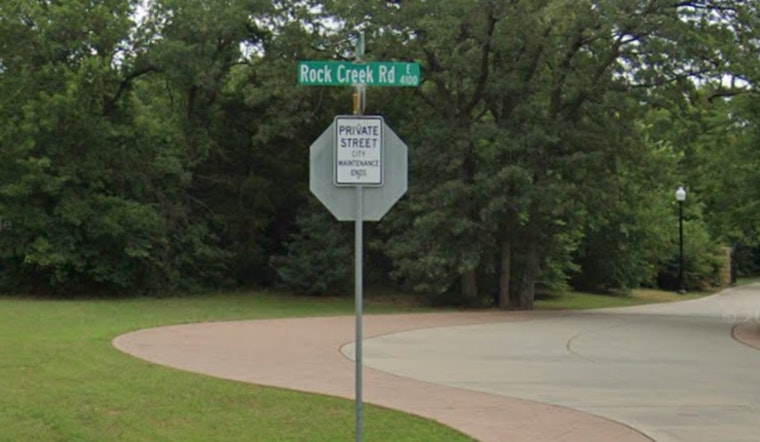
Located near I-35 and Rock Creek Rd, the Rock Creek Entertainment District would encompass more than just a commercial haven — it aims to enhance the gaming day ecstasy for fans, as articulated by OU Director of Athletics Joe Castiglione who told KFOR, “The game day experience would be something we haven’t seen before.” However, the proposition of using public finances to cover 20 percent of costs through a public-private partnership is a point of contention. Norman Mayor Larry Heikkila conveyed to OKC Fox that public dollars from sales and ad valorem taxes are in play under proposed plans.
Public opinion has been sharply divided, with over 60 residents signing up to deliver their perspectives. While proponents see the District as a boon for the city's economy and prestige, opponents worry about the impact on taxpayers and question the projected returns. The concept of financing through a Tax Increment Finance district, which would use sales tax generated by the district itself, has not assuaged these concerns. Councilman Michael Nash, a skeptic of the financial framework of the deal, told KOCO, “I think that we should fail this one, send it back to the drawing board, and get some financial terms that are actually favorable to the city.”
The city stands at a crossroads, deciding whether to entwine its future with the success of a single district, or maintain a financial course that prioritizes dispersed, equitable growth. Mayor Heikkila expressed the potential risk and reward to KOCO, stating, “It’s a lot of money, but it’ll all be paid by that piece of property.” And, despite concerns that the sales tax revenue would largely benefit the district itself, rather than the city as a whole, the allure of being home to what could be a transformative project for Norman persists.





