

























































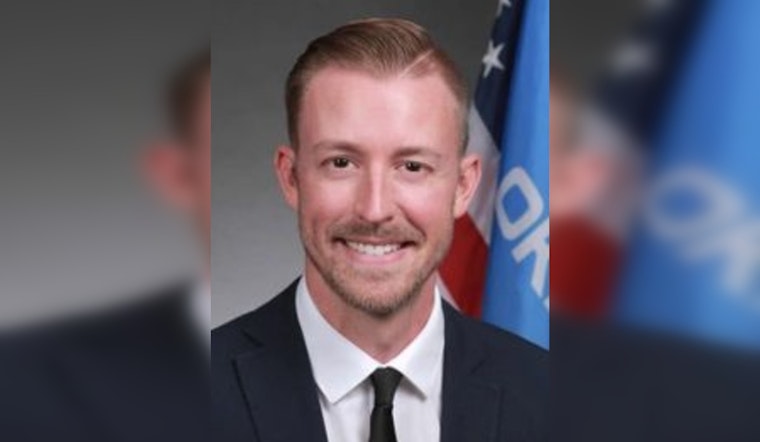
In a move that has sparked controversy and legal concerns, Oklahoma State Superintendent Ryan Walters has requested an additional $3 million from the state legislature, aiming to place a Bible in every public school classroom. This proposed allocation comes on top of a previously earmarked $3 million, bringing the total intended spending to $6 million for the Bible initiative, as reported by KFOR.
During the Oklahoma State Board of Education's monthly meeting, Walters argued that the effort would counteract what he described as attempts by "left-wing groups and the teachers unions to drive the Bible out of school," as per The Oklahoman. He stated that the $6 million effort would ensure that "the Bible hasn't been driven out of Oklahoma classrooms, and would be a significant step for the State of Oklahoma to ensure that we’re not allowing the left to censor American history," according to a statement obtained by KFOR. The request raised eyebrows not just for the hefty sum involved but also for the implications it carried regarding the separation of church and state.
Walters emphasized that the Bibles would be used solely as historical documents in an educational context, free from any additional commentary or denominational influence. He noted that their incorporation alongside foundational texts such as the Declaration of Independence and the U.S. Constitution would be acceptable. "We are not looking for this religious group or that one or this church to say, 'This is how we interpret this,'" he stated. "It's simply to be the text of a historical document and its usage in American history," Walters explained during the discussion focused on the education agency's budget, as noted by The Oklahoman.
The request forms part of a broader agenda item that was discussed at the board meeting, which included subjects such as the Edmond Public Schools' flag policy, school security funding, literacy, and teacher certification. It was made during a board meeting that also tackled topics ranging from school security funding to teacher certification. "It would provide a Bible for every classroom in the state in accordance with SD policy," said Walters in relation to the Bible initiative, asserting that the intention was to respect the historical and literary value of the text. "It's not to proselytize. It's not to put one religion over another. It is for its context in American history," Walters told KOCO.
Nevertheless, the prospect of state-funded Bibles in public classrooms has been met with legal questions from members of the state school board and lawmakers, who worry about the potential breach of constitutional guidelines regarding the separation of church and state and the precedence such a measure may establish. While the debate is sure to continue, what stands clear is the deep divide over the proper role and representation of religious texts in public education.





