

























































Starting this Sunday, Oregon will once again recognize drug possession as a crime, reversing the state's previous stance on decriminalization. In 2020, Oregon took a groundbreaking approach with Ballot Measure 110, which decriminalized possession of small amounts of hard drugs, issuing a $100 ticket that could be waived in lieu of a needs assessment. This change was rooted in shifting the paradigm from punishment to rehabilitation. However, as OPB and ProPublica highlighted, failures to implement the measure effectively led to increased visible drug use and a rise in overdose deaths.
Now, with House Bill 4002 signed into law by Gov. Tina Kotek, Oregon takes a different path by instituting a misdemeanor charge for drug use or possession. Yet, there's a compromise in place aiming to maintain a focus on treatment; millions have been allocated to set up "deflection programs" for treating substance abuse rather than leading with incarceration. As reported by KGW, these programs, which will vary by county, provide offenders the option to seek treatment instead of serving time, aligning with the recriminalization's commencement.
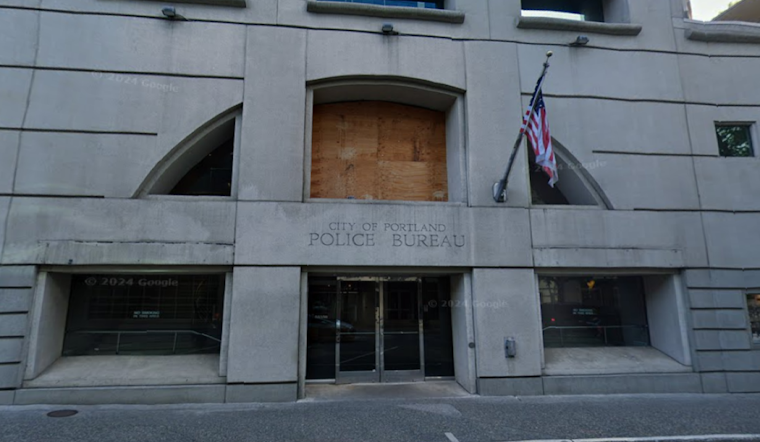
Portland-area counties, each with its unique deflection strategy, are prepared for the immediate onset of this approach. According to local officials, Multnomah, Washington, and Clackamas counties are poised to roll out their programs concurrently with the new law, ensuring an integrated framework across the metro area. Portland Police Chief Bob Day, in a statement obtained by NWA Online, emphasized the law's aim at "holistic approaches and accountability," reflecting the multifaceted nature of the drug crisis.
Though the shift marks an end to Oregon's experiment with drug decriminalization, the spirit of Measure 110 lives in these nascent deflection programs. As implementation varies across counties, the success of this hybrid model may yet redefine the nation's approach to drug policy.





