

























































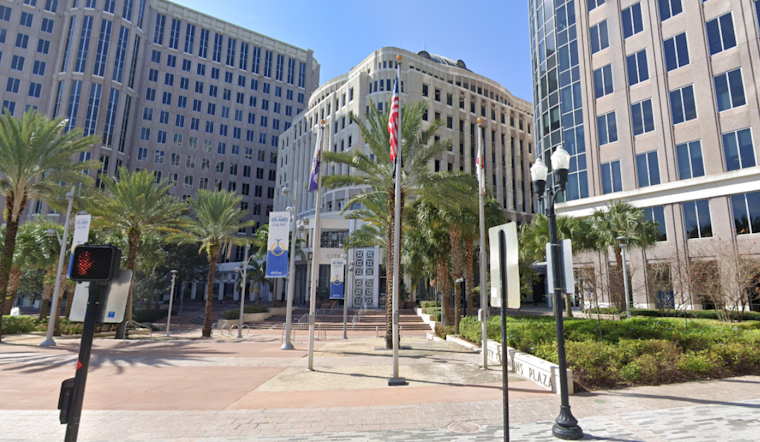
The City of Orlando is possibly on the verge of a transformative expansion that could surpass its current size. Yesterday, city commissioners voted 6-1 in favor of a proposal to annex over 52,000 acres of land from unincorporated eastern Orange County, as reported by CF Public. The ordinance, pushed by Farmland Reserve—a Mormon Church affiliate, is on a path to possibly close the deal on October 21st when a second and final reading will determine its fate. If passed, it would take immediate effect.
At the forefront of the opposition are community advocates, political figures, and local organizations who descended upon City Hall to voice their objections. State Rep. Anna Eskamani stated, as per CF Public report, "To ignore the will of the voters by trying to speed up a vote is very concerning to me and everyone here." Adding to the chorus, Chris Ritchie, President of the Orange County Firefighters Association, has spoken out about the city's current inability to effectively provide services in areas it has already annexed—raising questions about the implications of a further expanded urban footprint for public safety and service provision.
The planned expansion raises a variety of issues, ranging from environmental concerns to infrastructure funding. Detractors argue that the annexation could spell disaster for the St. Johns River basin, with potential negative impacts on wetlands and flood management. At a recent rally, WESH reported voice worries of a 'paved paradise', as signs boldly recreated Joni Mitchell's famed lament.
According to CF Public, Commissioner Patty Sheehan was the only one to vote "no" on a recent annexation proposal, expressing her belief that it doesn’t benefit the city. She acknowledged the property owner's frustrations but felt that Orange County needs to address its issues. Orlando Mayor Buddy Dyer promised that no development would happen on the land until at least 2040, leading to ongoing debates about whether Orlando’s environmental protections and infrastructure are sufficient compared to the county's, especially after new wetlands protections were introduced.



