

























































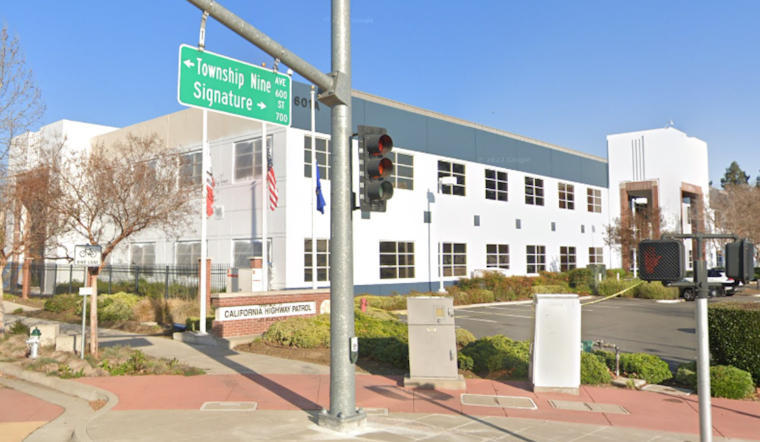
Governor Gavin Newsom provided a two-month progress report yesterday on the California Highway Patrol's (CHP) law enforcement surge in the East Bay, which marks the midpoint of a bolstered deployment intended to quell crime in Oakland and its environs, according to the Office of the Governor. The initiative, first announced in February, aims to provide support to local law enforcement in tackling crimes such as violent offenses and carjackings, which have seen spikes in the area compared to most California communities.
While the latest verified data from the California Department of Justice is not expected until next year, preliminary reports suggest a downturn in crime since the CHP's increased presence, which Governor Newsom affirmed, stating, "Our communities deserve to be safe and secure in their neighborhoods. We are standing up for Oakland by helping to end the pervasive lawlessness and support and revitalize this incredible community." The operation brought forward the quadrupling of officer shifts over four months to target numerous criminal activities, including organized crime, sideshows, and carjacking, until the complete data is made public. It continues to be a work in progress.
In a brief span since the governor's announcement, the additional CHP officers in the area resulted in 329 arrests. They seized 606 stolen vehicles, alongside 35 firearms removals, marking a significant leap in gun seizures by 218% from any two months starting from February this year. Totals reached 930 arrests and 1,809 recovered stolen vehicles with 93 firearms seized in the duration of the operation, with CHP Commissioner Sean Duryee commenting, as per the Office of the Governor, "We are seeing progress, but our work is far from over," and assuring continued commitment to community safety and law enforcement partnerships.
The state's efforts also included the completion of installing Flock cameras along state highways. These are designed to help identify vehicles potentially involved in crimes and have supported the resolution of violent crimes. CHP's recent operations highlighted dint of these devices with incidents such as apprehending freeway shooting suspects and stopping sideshows, exemplifying the direct impact of surveillance technologies on criminal activities; for instance, camera alerts on Fruitvale Avenue assisted officers in the capture of two armed carjacking suspects after a chase that included evasion attempts and four subjects who had fled a traffic stop were arrested, leading to the recovery of multiple firearms, including ghost guns.





