

























































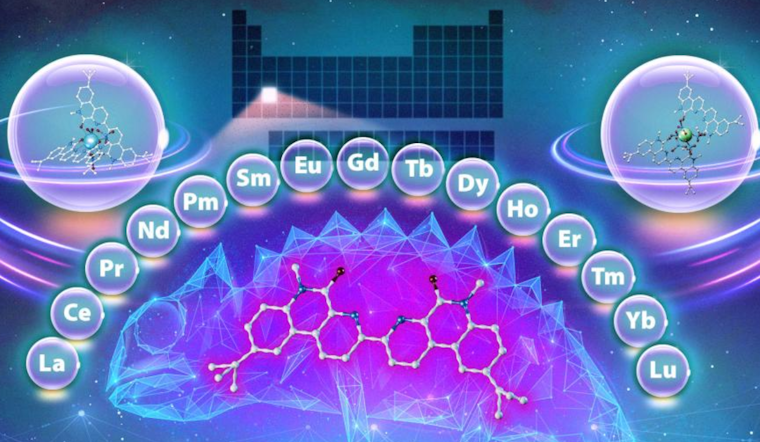
In partnership with Vanderbilt University, scientists at the Department of Energy's Oak Ridge National Laboratory have uncovered a groundbreaking approach to separating rare-earth metals, essential in various applications ranging from clean energy to medical equipment. According to an article from Oak Ridge National Laboratory, a newly identified ligand, described as a chemical "chameleon," can extract specific metals from a mixture based on the acidity and exposure duration in the solution, potentially transforming current expensive and environmentally detrimental practices.
Despite the moniker "rare-earth metals," these elements are not particularly scarce, akin to copper and lead in prevalence. However, the purity of these lanthanides, a group of 15 elements, is crucial for their effectiveness. As reported by ORNL, "isolating pure individual lanthanides requires very precise separations science" because of their similar properties. ORNL’s Santa Jansone-Popova, who co-led the study, highlighted the uniqueness of the discovery, saying, "We found you can use the same compound to perform multiple different separations, which is exciting and unique."
Traditional metal purification is complex and wasteful, involving multiple stages to separate metals from heavy to light or the other way around. The new chameleon ligand works differently: it changes its binding properties based on conditions, making the separation process more efficient and targeted. This could reduce the steps needed, improve purity, and create less waste.
To ascertain this ligand's full capabilities, researchers conduct more in-depth studies, optimistic that more such compounds may surface. Ilja Popovs, another co-lead of the study, implied the greater potential of the research, telling ORNL, "It has the potential to make the separations processes faster, cleaner and better." Notably, the project has received support from the DOE's Office of Science, which emphasizes the significance of advancements in the material chemistry field that address contemporary global challenges.



