

























































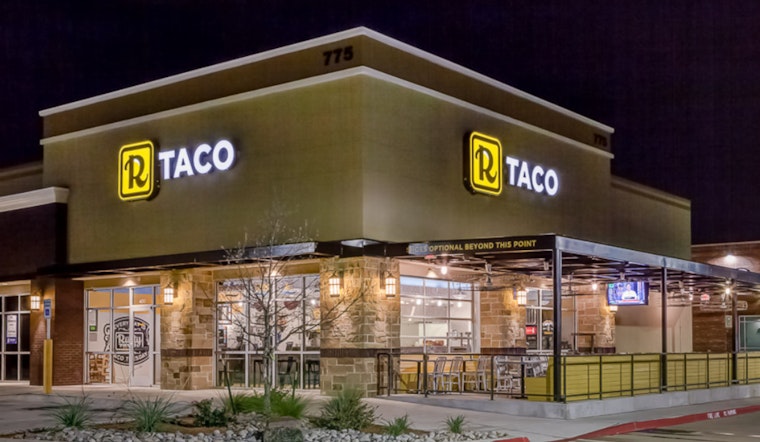
Dallas-based Rusty Taco has set its sights on Arizona as the next big market for its expansion efforts. With a particular focus on the Phoenix area, the fast-casual chain is in the process of scouting new locations and seeking franchisees to aid in its growth within the state, as reported by the Phoenix Business Journal.
Hoping to capitalize on a growing interest in diverse food options, Rusty Taco sees potential in cities such as Chandler, Gilbert, Tempe and Scottsdale. According to the Phoenix Business Journal, Daniel Smith, president of Rusty Taco, detailed their ideal setup for new venues, stating, "A 2,000-2,500-square-foot end-cap space where I can put a drive-thru would be ideal. That's going to make money for the franchisee." Despite the existing competition from other taco enthusiasts, the company remains confident in its distinctive offering and strategic locations, especially near the university areas.
While Phoenix already boasts a variety of taco spots, Rusty Taco believes there is room for more. Smith highlighted in a Phoenix Business Journal interview, "The state of Arizona is very attractive to us right now." Furthermore, the company recently finalized a deal in Winslow and is currently wooing potential franchisees in Tucson and Flagstaff.
Competition does not seem to deter Rusty Taco. They find themselves up against Texas taco brands like Torchy’s Tacos and Velvet Taco, the latter preparing to open a Scottsdale location within the year. However, with a simple yet authentic approach to their food, Smith contends, as told to the Phoenix Business Journal, "It's authentic — not traditional, but authentic...[Rusty Taco has] some things that might be considered traditional Mexican food but call our food authentic and the food is always true to who we are."
Acquisition by Gala Capital Partners in 2022 has given Rusty Taco the incentive to pursue an aggressive growth strategy, with Smith at the helm since earlier this year. As mentioned by the ABC 15 News, the brand aims to add 14 new locations by the end of 2024, which would mark a 40% increase in its presence, expanding beyond Arizona into other emerging markets like Utah and Atlanta.


