

























































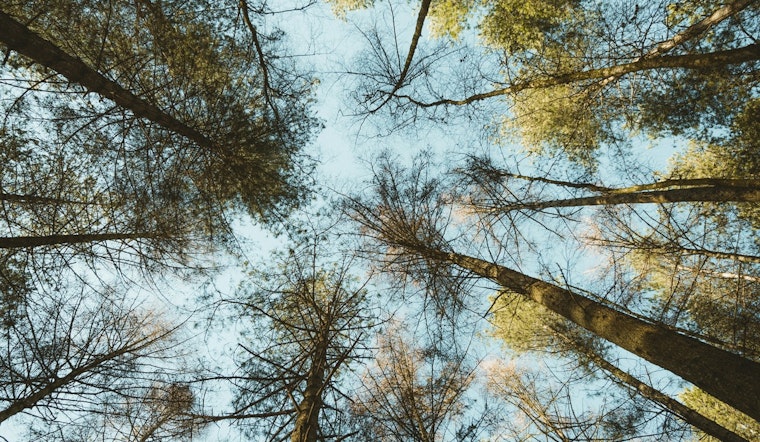
In St. Louis Park, a forward step has been made in the conservation and management of the city's tree canopy. A new ordinance, set to take effect at the beginning of 2025, introduces significant revisions to the local vegetation codes, particularly concerning the city's heritage trees according to the City St. Louis Park announcement. This initiative stems from the community's ongoing efforts to preserve its environmental assets and to align with state regulations mandating native landscaping practices.
As reported by Publication Ordinance No. 2682-24 the changes include a robust definition of heritage trees, a term that encapsulates the most valuable and irreplaceable natural monuments. The ordinance puts a tighter grip on the removal of these trees, requiring stricter replacement stipulations. Homeowners and developers, now faced with a more regulated process, are encouraged to accommodate the longevity of these leafy elders.
The details of the updated code spell out the restricted circumstances under which tree removal can occur, and the parameters for replacement, with heritage trees in the spotlight. These provisions serve the dual purpose of protecting St. Louis Park's arboreal history while encouraging a shift towards a more environmentally conscious urban landscape. It also introduces a novel idea: heritage tree preservation credits, a system that offers incentives for those who choose to preserve these ecological patriarchs.
Moreover, the ordinance encapsulates other routine updates, including the incorporation of vegetation code adjustments clarifying the scenarios requiring permits versus those needing only written permission. Aligning with Minnesota State Statue 412.925, these updates highlight a municipal embrace of native landscaping principles. Planting more native species will not only aid in preserving local biodiversity but is also expected to aid in the mitigation of urban heat islands, and the bolstering of the city's resilience against climate challenges.
While the ordinance won't take effect until January 1, 2025, its passage reflects the consensus in St. Louis Park that environmental stewardship is a priority worthy of legal reinforcement. Residents and developers are thus given a grace period to adjust to the new regulations, prepare for their implementation, and perhaps, recognize the intrinsic value that these standing sentinels of history provide to the community at large.



