

























































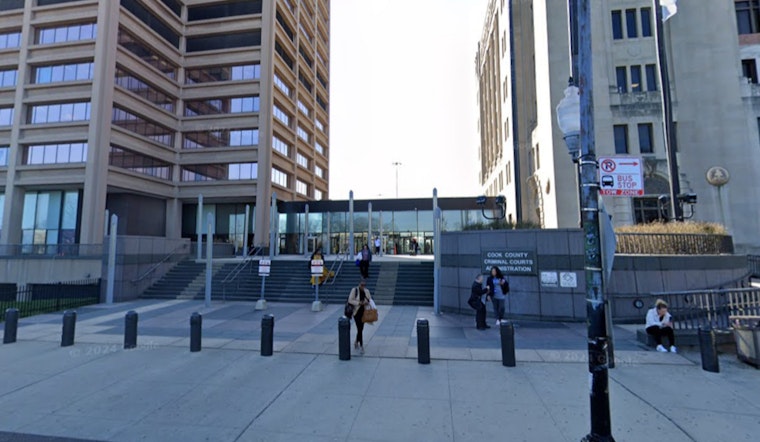
The Cook County State's Attorney's Office is wrestling with yet another shakeup after the sudden resignations of two veteran prosecutors. Andrew Varga and John Maher, who both served as deputy supervisors in the Complex Homicide and Gangs Unit, have unexpectedly vacated their positions. Their departure adds to the significant turnover witnessed during the current administration, led by State’s Attorney Kim Foxx. According to the CWB Chicago, the reasons behind their resignations remain undisclosed by the office spokesperson.
These exits come on the heels of a tumultuous period for the State's Attorney's Office. Varga had been preparing to lead a major case expected to quickly begin jury selection this month. His career, however, was not untouched by controversy. A previous high-stakes prosecution he worked on, involving the accused murderers of Chicago Police Officer Clifton Lewis, was mired in allegations of withheld evidence, which ultimately led to dropped charges against two defendants and a federal lawsuit. In relation to this case, Varga's former co-counsel, Nancy Adduci, has filed a lawsuit claiming she was dismissed on discriminatory grounds, as recounted by the CWB Chicago.
Meanwhile, Maher's contributions spanned leading a racketeering case against the Black Souls street gang and the prosecution of a gunman who killed CPD Commander Paul Bauer. Concerning his retirement, Maher told the Chicago Sun-Times, "I’m proud of all the work I did for the community and the office. And I’m leaving with my principles intact and my head held high." His departure aligns temporally with Varga's, although he has declined to offer the reasons for his simultaneous retirement.
Nancy Adduci's lawsuit levies serious allegations against Foxx's office. Asserting she was demoted and subsequently fired because of her race and age, Adduci claims that she was replaced by an attorney with significantly less experience in criminal law. Adduci suggests that her dismissal was a form of retaliation for opposing discriminatory actions within the office, as detailed by the CWB Chicago. This carries the implication that the office may have sought to present a leadership more reflective, ostensibly, of the community at the expense of experience.





