

























































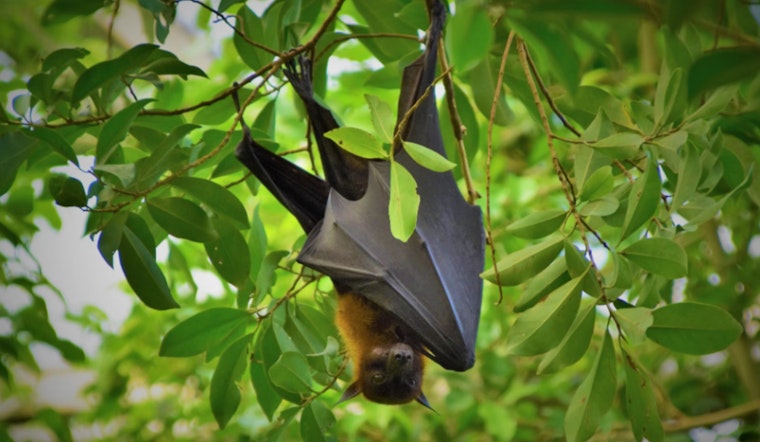
A recent study honored with the Early Career Researcher Award from Ecology Letters offers a sobering analysis of how human-caused stressors such as climate change and deforestation could increase disease prevalence among wildlife, with potential spillover effects on human populations. The research, conducted by Amanda Vicente-Santos, a post-doctoral researcher at the University of Oklahoma, examines the complex interplay between environmental stressors and pathogen dynamics in animal hosts.
According to the details published by the University of Oklahoma, Vicente-Santos examined 98 prior studies to understand the relationship between environmental stress and wildlife disease. With an enormous compendium of 891 data points spanning 71 species and 78 different parasites, her work sheds light on the impacts of resource limitations, environmental shifts, and pollution on animal health. "We didn’t just want to know how many in the population got infected, we also wanted to see how many parasites were within each individual," Vicente-Santos said in a statement, describing the drive to understand not just infection rates but the severity of those infections.
It should be noted that the effort to connect human activity to wildlife disease is not merely academic but serves a critical role in anticipating shifts in disease dynamics that could have far-reaching consequences. Vicente-Santos' endeavor explored multiple scenarios and built theoretical models to predict fluctuations in disease spread under different levels of stress. "Our goal was to show the implications for possible pathogen emergence and transmission on biodiversity, ecosystem stability, and animal and human health," she commented, as noted by the University of Oklahoma.
The models developed in her research indicated a peak in infection rates under moderate stress on the hosts. However, a tipping point exists where excessive stress could lead to a rapid decline in host populations and, subsequently, the pathogens relying on them—a grim reminder of the delicate balance within ecosystems. "If they're under stress because of a lack of quality food, for example, they tend to get sick more easily because their defenses are low. In these cases, a host’s body is essentially a battleground between its immune system and the invading pathogen," Vicente-Santos told the University of Oklahoma, encapsulating the internal struggle that stress exacerbates for animal hosts.
Though Vicente-Santos' findings are noteworthy, she acknowledges that the quest to fully grasp the nuances and long-term consequences of these interactions is far from over. "Our findings are significant, but more research is needed to fully understand and predict the impact of these scenarios," she stated. Her research, titled "Host-pathogen interactions under pressure: A review and meta-analysis of stress-mediated effects on disease dynamics," is an integral contribution to the ongoing discourse on wildlife conservation and public health and can be found in the journal Ecology Letters, as reported by the University of Oklahoma.





