

























































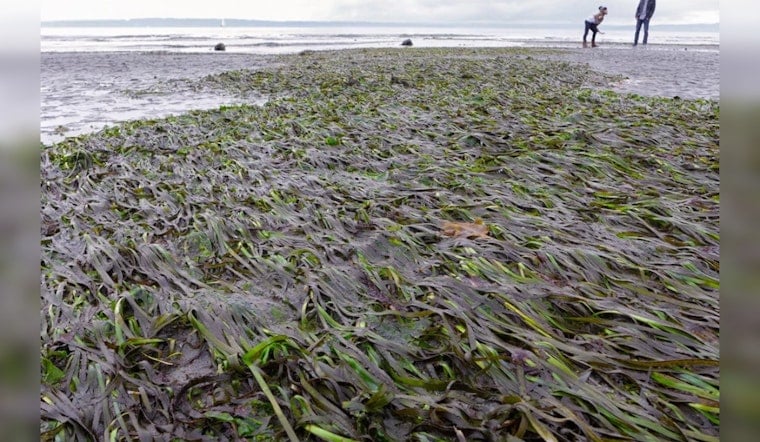
The Washington Department of Fish and Wildlife (WDFW) in conjunction with the Washington State Department of Natural Resources (DNR), has announced an $8.5 million investment for the enhancement and preservation of Puget Sound, which is a commendable initiative aiming to support its rich biodiversity and habitats. This funding is expected to provide crucial support to various non-profit organizations, tribal groups, and government agencies working to rehabilitate Puget Sound's struggling ecosystems and dwindling species like kelp and eelgrass, that serve as indicators of the region’s ecological health.
Engaging in habitat recovery efforts, the funding targets to enhance monitoring and adaptive management of critical areas in Snohomish County, while also allocates funds for research into the ecological decline areas have seen in recent years; within the counties themselves, organizations are set to benefit, tasked with the endeavor of ongoing work and the development of new, strategic partnerships. According to details released by WDFW, the grants will facilitate the addition of much-needed manpower and resources that local organizations have been seeking for, as they pursue expanded conservation measures.
“There’s a lot of work already happening to restore Puget Sound, and these grants will allow these organizations to add needed staff, resources, and trainings to continue to benefit Puget Sound's environments,” Jennifer Griffiths, Ph.D., WDFW policy lead for HSIL, highlighted the capacitive challenges organizations face, acknowledging the funding’s role in bolstering current conservation efforts. Julie Ann Koehlinger of DNR also reinforced this sentiment, stating, “We’re pleased to offer this funding to support some of the often-overlooked activities that are so important to recovering Puget Sound,” according to WDFW.
Other allocations are designated for more ground-level activities, essential in the recovery and sustainability of Puget Sound, including research, planning, partnership forging, and meticulous project design efforts, emphasizing a structural, systematic approach to environmental conservation that prioritizes collaboration and cohesiveness across various sectors. Details further revealed by the HSIL spotlight a rigorous review process, involving experts and policy professionals from the community, that precedes the selection of projects, ensuring a merit-based funding impact with anticipated results to be announced later in 2024.
Looking to the future, the Habitat Strategic Initiative Lead (HSIL) continues to guide and allocate resources to meaningful recovery programs with its focus areas set on estuaries, floodplains, land development, marine vegetation, and combating shoreline armoring. Aiming to underpin the mission with a forward-thinking strategy, investments are laid out to tackle challenges born in the overlap of human activity and natural habitats.





