

























































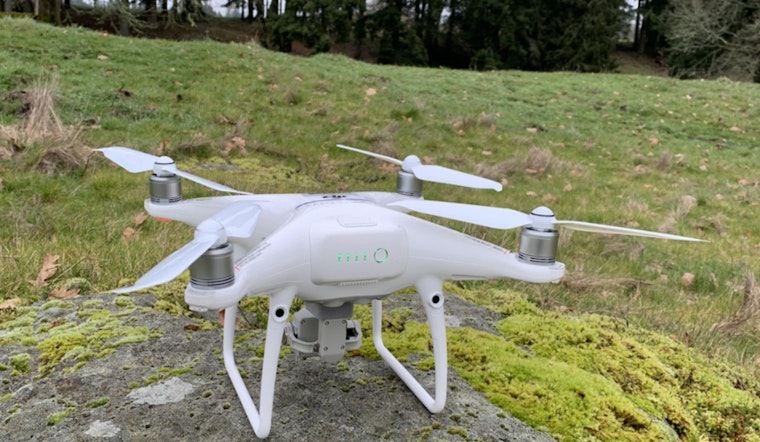
The convergence of wildlife conservation and cutting-edge technology is making waves in Washington state, where the Department of Fish and Wildlife has announced a new drone surveillance strategy aimed at monitoring seal and sea lion populations along the coast and inland waterways. According to a recent press release, researchers will deploy drones across various regions, with a specific focus on the Nisqually, Dosewallips, and Duckabush river estuaries this fall. These sophisticated eye-in-the-sky operations are set to run through October 2025, to gather essential data on harbor seal numbers and their predation patterns on local fish species.
Casey Clark, the WDFW's lead marine mammal researcher, emphasized the significance of this endeavor, "Counting these harbor seals will help WDFW estimate the consumption of salmon and steelhead by seals in these locations," according to the department's news release. The use of drones, which will be a few times per month, is expected to provide a more accurate count of pinnipeds, improving the management and conservation of both the seals and the fish they consume.
The forthcoming flights will target known gathering spots for the animals along the coastline and in rivers, and estuaries. Adhering to regulatory requisites, the WDFW has stated it will secure the necessary permissions and permits before drones take to the skies, particularly in areas where access might be limited or additional regulations are in force. Furthermore, no drone flights will occur over private lands without explicit consent from the owners.
Ensuring compliance with the Federal Aviation Administration's regulations, as well as adhering to the National Marine Fisheries Service research permits, is crucial for drone operations. WDFW's approach is meticulous; considering the potential impacts on various user groups within the areas of operation, such as hunters, anglers, or recreationists. Flight plans will be adapted to minimize any interference with these activities, and will be contingent upon favorable flight conditions — subject to rescheduling or termination if necessary.
The Washington Department of Fish and Wildlife's objective to preserve, protect, and perpetuate the region's wildlife and their habitats finds a new companion in technology. This integration of drones into wildlife research represents a stride towards more sustainable and informed management of both marine and terrestrial ecosystems, offering an innovative means to balance conservation with recreational and commercial activities.





