

























































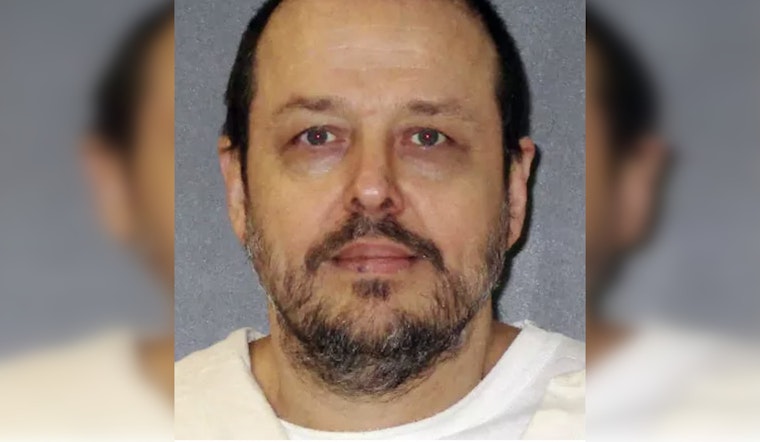
In Austin, Texas, the case of Robert Roberson, a death row inmate whose execution was paused by a last-minute subpoena, took a new turn when he did not appear at a scheduled Texas House committee meeting. Roberson was ordered to testify before state lawmakers but faced obstruction from state GOP leaders and the attorney general's office, according to The Paris News. This intervention on Roberson's behalf has created a divide among Texas officials.
The delay followed bipartisan support from legislators who assert that Roberson was convicted based on outdated science. He was scheduled to be executed for the 2002 murder of his 2-year-old daughter, a case that relied on a diagnosis of shaken baby syndrome. According to KSAT, a clash of opinions has emerged with Republican Gov. Greg Abbott's office stating the committee has "stepped out of line" by issuing the subpoena.
Although Roberson did not appear, his situation remains at the heart of an intense debate. The chairman of the State House committee, Democratic state Rep. Joe Moody, said in an interview with KSAT, "If this committee wanted to take a heavy-handed approach, there are dramatic ways that we could enforce that subpoena." Moody also emphasized the committee's lack of interest in creating "a constitutional crisis" or division within the government.
The Texas Attorney General's Office had expressed security and logistical concerns about bringing Roberson to the Capitol and indicated he would only be able to appear via videoconference. Simultaneously, high-profile individuals such as television personality "Dr. Phil" McGraw and author John Grisham provided testimony in Roberson’s defense. As cited by The Paris News, Dr. Phil said, "If you execute people when you now know better, you need to abolish the death penalty. If that's the standard by which you're gonna execute people, you've got a bad system."
Pertaining to legislative efforts, the Texas' 2013 junk science law was intended to allow individuals to challenge their convictions if scientific evidence that led to their convictions was later deemed non-credible or outdated. However, lawmakers have criticized the law’s practical application, especially noting that in the last decade, none of the applications for relief under the law—which have included a third from those on death row—were successful. Meanwhile, attorneys for Roberson and his advocates await another opportunity for him to present his case before the legislators.




