

























































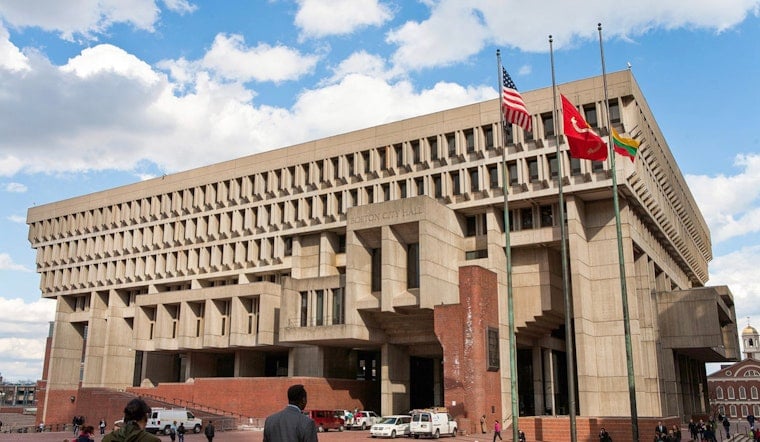
The City of Boston, under Mayor Michelle Wu's guidance, has allotted $2.2 million in funding to 40 community-based economic development initiatives, aiming to support over 3,000 residents with low to moderate income. The funds, sourced from the Community Development Block Grant (CDBG), coincide with the 50th anniversary of the program's Congressional enactment, dedicated to fortifying community projects and building resilient neighborhoods across the nation. According to the City of Boston's official website, Mayor Wu commented, "We want to ensure that every family and resident in our community has a fair shot at economic security and opportunity."
This financial investment targets housing affordability, with up to 15% allocated for associated public services in economic development. According to a release from the City of Boston, these Community Development Block Grant (CDBG) funds, managed by the Office of Workforce Development on behalf of the Mayor's Office of Housing, prioritize quality education, training, and workforce development programs. These initiatives aim to provide a continuum of support for economically disadvantaged individuals, creating a pathway from educational credentials to workforce integration and helping to transition them from economic instability to stability.
Among the various endeavors receiving funding for the first time, the African Bridge Network utilizes CDBG-PS funds to combat the barrier preventing skilled immigrants from mid-level job attainment due to lacking U.S. work experience. Brighter Boston focuses on providing underrepresented communities opportunities within the live entertainment industry. With these initiatives, there's an observable strategy to not only provide immediate work and training but also to integrate cultural and language support, facilitating broader inclusion in the job market.
Ann Sousa, Executive Director of Brighter Boston, expressed the significance of CDBG-PS funding, saying, "CDBG-PS funding is critical in helping Brighter Boston provide more young artists with an equitable pathway to creative careers," she added, "Because of this grant, Brighter Boston can support the future leaders of the entertainment industry so they can shape the arts in Boston and beyond!” as stated in the city's release. Funding recipients such as the East Boston Neighborhood Health Center recruit and train local residents for positions like pharmacy technicians, ensuring that investments translate into viable employment within the community itself.
In addition to the CDBG-PS funds, the OWD has also announced the allocation of $506,250 in Alternative Education Initiative (AEI) funding to six established community-based organizations. This fund supports non-traditional academic routes for youths aged 16-24 who face complex barriers in conventional educational settings. Elisabeth Jackson, CEO of Bridge Over Troubled Waters, told the official City of Boston, "The AEI grant has allowed us to educate dozens of youth from the City of Boston.”





