

























































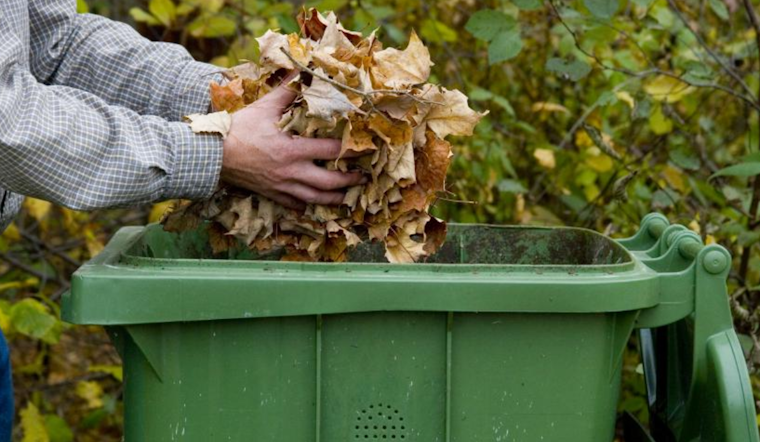
As autumn paints the city with its seasonal palettes, the fallen leaves provide more than just a picturesque environment, they offer a goldmine of nutrients beneficial for spring's bloom. According to the City of Boulder, the leaves from "one average shade tree have as many nutrients as $50 of plant fertilizer."
Removing these nutrient-rich leaves from your property can do wonders for environmental health and your backyard garden. Left unchecked, as they travel through storm drains, they can spearhead harm to our aquatic brethren, carrying them directly to nearby streams, and too much of this leafy debris can also suffocate your lawn, making it vulnerable to disease. Collecting them fosters a healthier lawn, reducing the need for chemicals harmful to our waterways.
Don't just gather those leaves, compost them. Disposing of them in the trash contributes to the production of methane, a gas implicated in the trapping of heat in our atmosphere. For an eco-friendly alternative, the City of Boulder suggests curbside composting, which is a blend of yard waste, and food scraps taken to a commercial composting facility. But, "Another option is to take those nutrients from your yard’s leaves and return them directly to your garden," as cited by the City of Boulder, via backyard composting by layering shredded leaves with nitrogen-rich material.
On another leaf, winterizing your irrigation system before the first frost hits is crucial. Even a single season's neglect can lead to expensive repairs come springtime. Let's keep it simple and savvy, shut the system off, drain those pipes, and don’t forget to insulate any exposed parts. Boulder advises seeking professional help if you’re hesitant about the process, and to employ the 'blowout method' to ensure no water is left to freeze and cause damage.





