

























































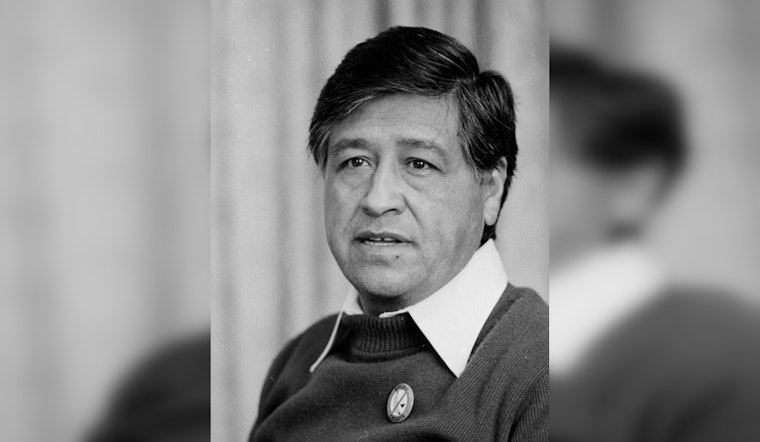
The legacy of César Chávez in Texas echoes within the history of labor movements and continues to inspire action. In recognizing Chávez's contributions, his time in Texas is marked notably by a rally on the statehouse steps on Labor Day, September 5, 1966, which concluded a historic march from Rio Grande City aiming to secure a $1.25 minimum wage for farmworkers. The rally, as chronicled by the Cesar Chavez Foundation, drew attendance numbers reaching up to 6,000. This pivotal movement was part of Chávez’s wider efforts to advocate for Mexican American communities and to organize farmworkers across the Southwest.
Yet, amidst honor and remembrance, the figures of other notable activists such as Antonio Orendain have begun to also resurface, with Orendain being described as "the César Chávez of Texas" by those who remember his impact. Orendain, whose story has been lesser told, formed the Texas Farm Workers Union (TFWU) in 1975 after parting ways with Chávez. He was known for his standout appearance - a handlebar mustache and a wide-brimmed black hat, and for his intense dedication to organizing farm workers in Texas’ Lower Rio Grande Valley, as mentioned by Texas Standard. This departure was fueled by a desire to more actively address the needs of laborers in Texas, as undertaken by Orendain, who felt the movement under the United Farm Workers (UFW) wasn't progressing rapidly enough in the state. According to an interview with Timothy Bowman, a professor of history at West Texas A&M University, personality clashes and disagreements over strategies were key culprits in the divide between Orendain and Chávez.
In continuing with the efforts to keep the legacy of labor leaders alive, the Cesar Chavez Foundation has expressed intentions to expand their programs in major urban centers of Texas, as well as nurturing their foundation in California's Central Valley. With a goal to establish a substantial operational presence in Texas by December 31, 2026, the foundation aims to support and uplift the same communities Chávez once championed.
Amidst these endeavors to perpetuate Chávez's vision, there lays a parallel narrative that advocates for the recognition of others like Orendain's contributions. The history of the TFWU demands indeed to be brought forth, as suggested by Joseph Orendain, Antonio's youngest son and an assistant district attorney for Hidalgo County. Joseph discussed his father's erasure from the UFW's official narrative with a Texas Standard reporter, stating that it's not about overshadowing the UFW's work but about "sharing the credit," especially in Texas. This sentiment underscores a broader call to acknowledge the manifold struggles and leaders that have shaped labor movements for generations.
While the UFW's website makes scant mention of Orendain, his presence in archival material and the memories of those who knew him persists. A thorough exploration reveals a history rich with activism, sacrifice, and unyielding commitment to farmworkers' rights, providing a backdrop against which Chávez's legacy and the contributions of others must jointly be appraised, according to Texas Standard. As the lens widens to include both the iconic and the overlooked, a fuller picture emerges of the fight for labor justice in Texas and beyond.





