

























































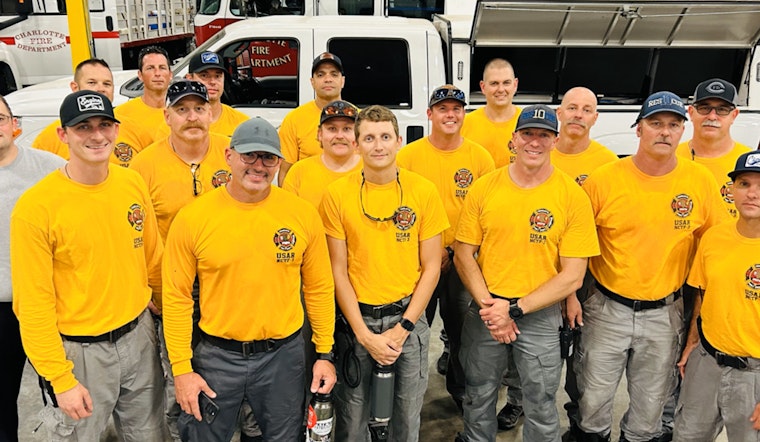
The Charlotte Fire Department's Swift Water Rescue Team has been actively deployed in Yancey County, Western North Carolina, to assist in recovery efforts following the devastating Hurricane Helene. This Category 3 storm unleashed torrential rains, creating floodwaters that have ravaged communities, leaving behind a trail of destruction and pain. Amid the ruins and grief, the rescue team has been a beacon of hope and aid, navigating through harsh and transformed terrains to reach those in dire need.
In what has turned into a multi-day mission to swiftly and safely rescue stranded individuals, the Charlotte Fire's specialized team, consisting of 17 highly trained firefighters, faced challenges that seemed daunting from the outset. Not only have they been working to extract people from flooded areas, but they've also been delivering critical supplies and conducting wellness checks on isolated residents. According to a recent release, Charlotte Fire Chief Reginald Johnson said, "Our hearts go out to the families who have lost loves ones and homes in this storm. The devastation here is overwhelming, but Charlotte Fire stands with those in Yancey County who are suffering."
The team encountered severely impaired infrastructure, with roads and bridges washed out or buried under landslides, necessitating the use of ATVs, helicopters, and even foot traversals to reach those in need. "When we arrived, the devastation was unimaginable," said Charlotte Fire Captain Jeff Bright, as reported by the Charlotte Fire Department. "Entire communities were cut off, families were stranded, and there was no power, no running water, no phone service." Bright described the plight of residents who had to climb onto rooftops or higher ground to escape rising floodwaters in the South Toe River Valley.
With the floodwaters beginning slowly to recede, the Charlotte Fire team shifted their aid efforts from urgent rescues to recovery operations. They helped clear debris, and in a show of extended commitment, firefighters trekked daily into still inaccessible areas to ensure the continued welfare of residents. Bright described the team's expanded role: "The recovery is going to take time, but this community is strong." He also said, "we're not just here to pull people out of the water; we're here to help them rebuild."
The local community’s response, in the face of their suffering, has been one of cooperation and resilience. Recognizing their invaluable local knowledge of the land, the firefighters partnered with residents to navigate the altered landscape and clear paths through mud and debris. "The community here has been unbelievable," said Bright. "They know the land better than anyone, and without their help, we would still be fighting an uphill battle." Chief Reginald Johnson echoed this sentiment, expressing pride in the firefighters' efforts and acknowledging the department's role in supporting not only their city but also communities like Yancey County during such critical times of need.





