

























































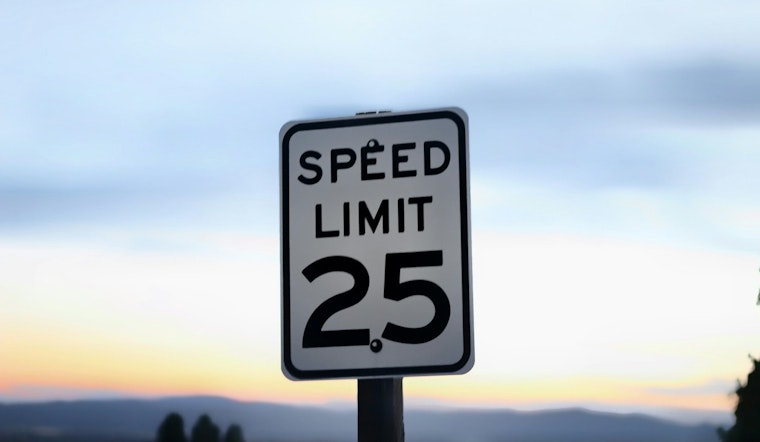
In an effort to enhance road safety in Chicago, the Committee on Pedestrian and Traffic Safety has voted to propose a citywide speed limit reduction on Monday. The current speed limit of 30 miles-per-hour is set to be lowered to 25 mph on city-operated roads, a move which according to ABC 7 Chicago, aims to safeguard residents walking and cycling city streets. The committee's vote on this matter intends to directly confront the high occurrence of traffic fatalities.
Delving into the specifics, the ordinance also includes lowering the speed limit in alleys from 20 to 15 mph. Contrarily, this change will not affect roads under the Illinois Department of Transportation's jurisdiction. Ald. Daniel La Spata, the spearhead of this initiative, was quoted in a WGN interview, “The goal is not more revenue. The goal is to change behaviors and save lives.”
When the proposed reduction gained an 8-5 vote in favor, it set the stage for the full City Council to deliberate on the amendment. Not all council members agreed with the step; some pointed out that while traffic safety is important, there are pressing challenges, such as homelessness and violence which demand higher prioritization. Ald. Michael Ervin, as reported by WGN, explicitly addressed this concern, stating that "reducing the speed limit is not the number one issue" in many communities grappling with a myriad of issues.
Complementing traffic safety measures, there's a motion to start a pilot program that will empower citizens to just actively participate in traffic enforcement. Residents would be able to submit photos of vehicles wrongly parked in bike and bus lanes through a 311 city service, potentially after issuing two warnings, the Department of Finance may issue citations to owners of offending vehicles. This additional effort, according to ABC 7 Chicago, could augment the general thrust toward creating a safer transit environment.
Data appears to back the initiative, revealing a significant correlation between vehicle speed and the survivability of accidents. When a vehicle traveling at 30 MPH strikes a pedestrian, survival chances hover around 60 percent, but a reduction to 20 MPH sees those chances increase dramatically to approximately 95 percent. These statistics help paint a sober picture of why such speed limit reductions are more than trivial adjustments on city signage. They are, as many advocates argue, essential lifesaving measures.





-4.webp?w=160&h=400&fit=crop&crop=edges)
