

























































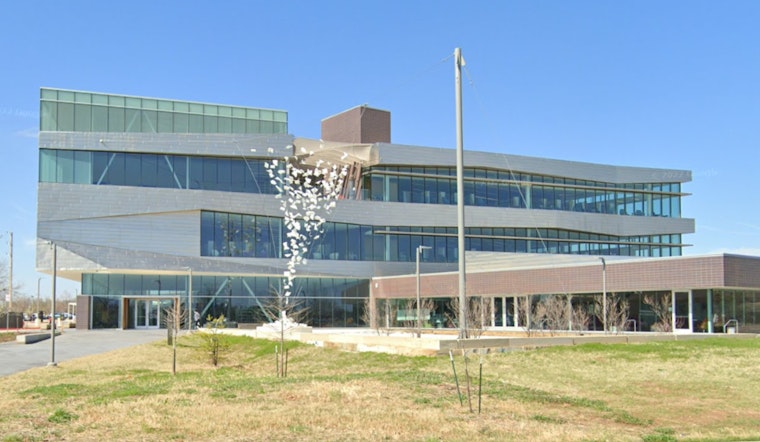
The City of Norman has launched a lawsuit against the design and construction firms involved in building the Norman Public Library Central, which is currently shuttered due to serious mold problems. According to OKC Fox, the city contends that Flintco, MSR, and ADG, the project management company, failed to honor their agreement to prevent water from penetrating the facility, a vital aspect to safeguarding against mold.
Flintco LLC, headquartered in Oklahoma County, and MSR from Minneapolis, Minnesota, are explicitly named in the Norman lawsuit. The former mayor, Breea Clark, reflecting on the taxpayer-funded facility, expressed dismay over the closure, stating, "The sales tax dollars and the people paid for this library," as reported by NewsOn6. The city claims damages in excess of $75,000, a figure that eclipses the threshold for a federal case, yet only scratches the surface of the $39 million building's true costs.
Lawsuit documents allege that MSR's contract required industry-standard precautions "at a minimum, safeguard against and/or prevent the intrusion of water into the library," as mentioned by NewsOn6. Yet, the city cites multiple leaks and significant water damage dating back to construction in 2016. FlintCo is accused of delivering work that didn't conform to the plans and specifications laid out for the project, leading to the severe water and mold damage noted in the suit.
The City of Norman took legal action with time-sensitive urgency, as Mayor Larry Heikkila indicated, "We were running out of time on the statute of limitations for the warranty," he told KOCO. The lawsuit seeks to hold the contracted architects, project managers, and consultants responsible for their role in the building's deficiencies, including their failure to prevent water infiltration, which has led to the library's closure and the necessary removal of around 1,200 items from the contaminated facility.





