

























































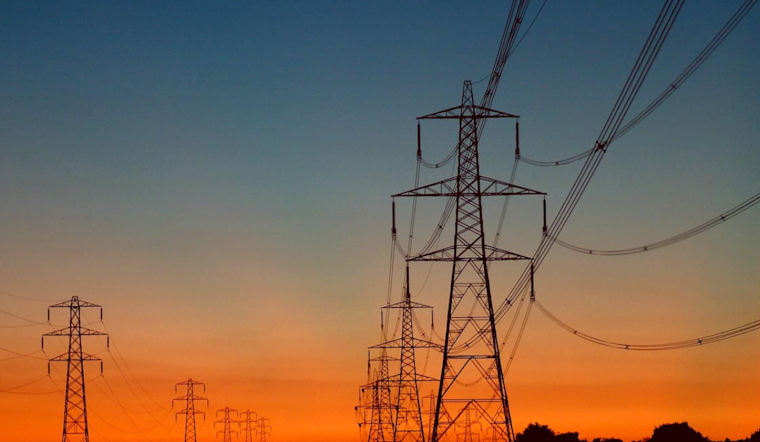
The debate over Maryland's energy future is igniting discussions as Public Service Enterprise Group (PSEG) unveils a proposed transmission line route that has sparked controversy across the state. According to WMAR2 News, the Maryland Piedmont Reliability Project (MPRP) aims to construct a 150-foot-wide, 70-mile-long transmission line stretching from Frederick County to Parkton.
PSEG has asserted the project's necessity, stating it would alleviate Maryland's growing energy deficit. However, to effectively navigate local dissent, PSEG has chosen Route H, which they say would impact fewer conservation easements and has fewer residences and community facilities near the Right-of-Way. This effort to minimize negative repercussions could not fully satisfy many local property owners, with the Baltimore County Council reflecting these concerns by recently passing a resolution against the extension.
While Route H was determined to be the best option among others, PSEG noted that no one route performed well across all four categories. The proposed path notably did not perform well in terms of environmental criteria.
Stakeholder engagement remains a significant part of the process across Baltimore, Carroll, and Frederick counties. Beginning November 12, PSEG will conduct a series of public information sessions. These sessions aim to offer insights and gather further feedback on the project. Maryland Matters has detailed the notice for these sessions, with schedules across different counties disclosed.
PSEG's endeavor faces extensive regulatory hurdles before seeking Maryland's Public Service Commission approval. The project will be operational by June 2027 if given the green light. In anticipation, PSEG plans to reach out to impacted property owners, with over 800 letters expecting to hit mailboxes soon. These correspondences will precede further engagement opportunities and provide details on how to negotiate land acquisition potentially.





