

























































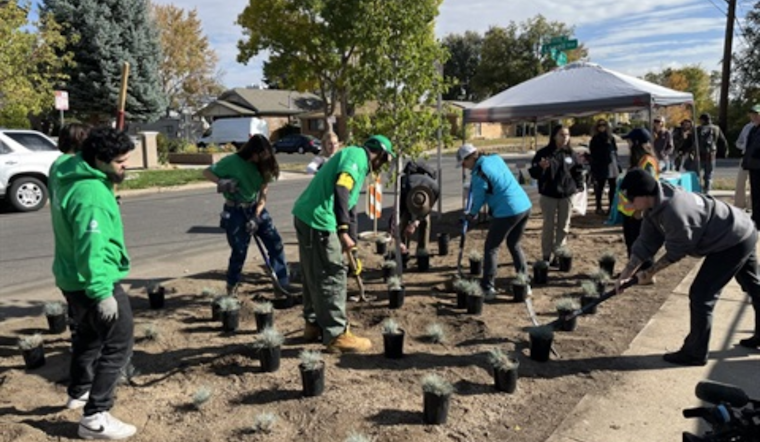
Denver is pressing forward with its commitment to sustainable urban development, recently unveiling new green infrastructure on West 14th Avenue. The project, a collaborative effort between Denver’s Department of Transportation and Infrastructure (DOTI) and the Office of Climate Action, Sustainability, and Resiliency (CASR), was marked by a citywide planting day that saw local officials and community volunteers planting native vegetation. The aim is to replace water-hungry lawns with more resilient plants capable of cooling areas and filtering stormwater, according to the City and County of Denver.
This initiative sparkles with a special civic zeal, as it was born from a “walk and roll” event earlier in the year that solicited input from CASR, WeCAN (West Colfax Association of Neighbors), and residents, crafting a shared vision that intercepts the needs of people with the silent cries of our collective environment, the transition includes the planting of 22 trees spread across two intersections and appearance from hundreds of native grasses and perennials. With the planting of these new greens, Denver is not just beautifying the roadsides but also providing essential habitats for pollinators and showcasing sustainable gardening techniques that can be mimicked locally.
The significance of this pilot project extends beyond the immediate neighborhood, signaling DOTI's larger commitment to integrating green infrastructure into both grand and modest urban planning endeavors. Past examples of such work include the green makeover of the 39th Avenue Greenway and the transformation along Larimer Street, which included the stretch from Speer Boulevard to 14th Street, Brighton Boulevard, and the environs of the Carla Madison Recreation Center. These efforts work towards a multifaceted goal, improved water and air quality, reduced flood risks, urban heat island mitigation, lower energy demands, and generally bolstering the city's resilience against climate change, while simultaneously fostering more liveable communities.
The fresh installations on West 14th Avenue are not only visually appealing but are also expected to substantially improve the water quality that flows into the South Platte. By dedicating approximately 0.25 acres of land to this green infrastructure Denver is positioning itself as a forerunner in combating the urban heat island effect and managing stormwater runoff effectively, as the city’s Division of Green Infrastructure diligently works to accomplish these dual objectives hand in hand, these enhancements are also likely to shape how the city approaches future projects in other neighborhoods that are in dire need of similar interventions.





