

























































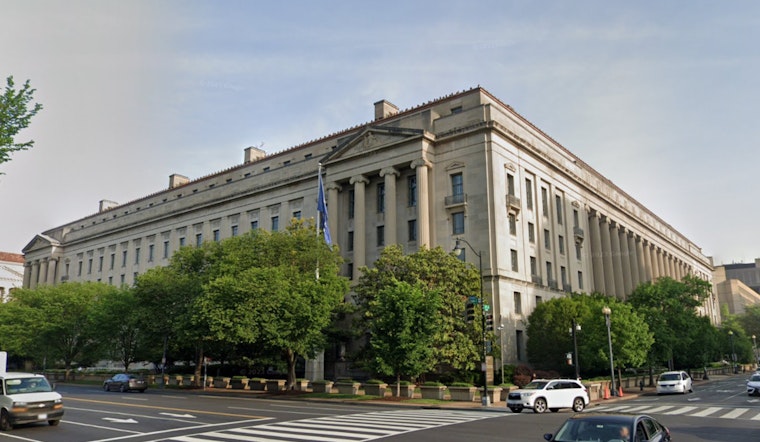
The fallout continues in a high-stakes international bribery and money laundering case that has cast a shadow over Ecuador's public trust. Carlos Ramon Polit Faggioni, the former comptroller general of Ecuador, has been sentenced in a federal court in Miami to 10 years behind bars, following a conviction on charges including money laundering and engaging in transactions with criminally derived property, as the Justice Department announced.
Polit, 73, was implicated in a complex scheme involving over $10 million in bribes from Odebrecht S.A., a Brazilian construction conglomerate. The bureaucrat abused his authority by accepting bribes and also by aiding a businessman to secure contracts with Ecuador's state-owned insurance company. His actions contributed to the erosion of the nation's confidence in government institutions. Court documents revealed that a significant proportion of the illicitly gained money was funneled through, Florida by creating a network of businesses and real estate investments to launder the proceeds. Polit is also required to forfeit a staggering $16.5 million as part of the sentence, according to an article from the Miami Herald.
U.S. District Judge Kathleen Williams highlighted Polit's attempt to "massively enrich" himself and establish "generational wealth" for his family through this scheme. During the trial, prosecutors presented evidence of Polit's coordination with his son, and others, to make bribe money seemingly vanish through various money-laundering methods. His son, John Christopher Polit, has also been charged and has pleaded not guilty to conspiring in the money laundering scheme, as reported by the Miami Herald.
Defense attorneys in this case attempted to minimize the amount Polit transferred to Miami, arguing against the prosecution's figure of $16.5 million. However, prosecutor Michael Berger emphasized the damage Polit's actions had caused, saying "He used his power to ensure he got his money" during the trial. The funds traced back to Polit were used to buy luxury homes and invest in local businesses, as was reported by the Miami Herald.
The case against Carlos Polit is part of a broader initiative by U.S. authorities to combat international corruption, especially in Latin American countries like Ecuador, Venezuela, and Brazil. The ongoing battle against financial crimes has its complexities—especially when the return of seized assets faces the dilemma of potentially financing further corruption, a point underscored by the prosecution where the uncertainty of sending forfeited funds back to Venezuela was concerned, due to the Maduro regime's corruption. As these cases unravel, they continue to shed light on the intricate networks that enable the flow of illicit finances across borders.




