

























































In Houston and surrounding areas, a high-tech sentinel has become increasingly synonymous with law enforcement tactics against crime. Flock cameras, costing about $3,000 a year per camera, have proven to be a critical asset in solving multiple local crimes. As FOX 26 Houston reports, these motion-activated devices snap photos of vehicle plates, cross-referencing them with crime databases, and have aided in cases such as the pursuit of a suspect in the killing of a Harris County Precinct 4 Constable Corporal.
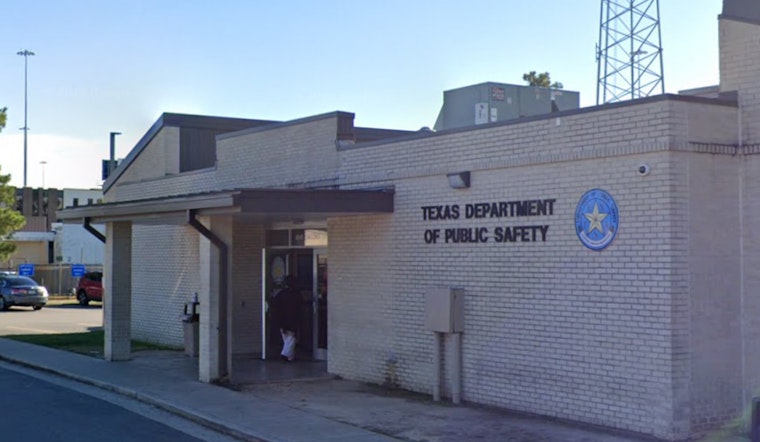
However, the popular Flock Safety, the firm behind these cameras, has recently received a cease and desist order from the Texas Department of Public Safety. Evidently, Flock Safety failed to first obtain a private investigator's license before deploying cameras on private properties and neighborhoods, as the legality of their operations was called into question. This directive came on the heels of the company's attempts to quickly remedy the situation. "Flock has been proactively working with the Texas Department of Public Safety to determine which licenses apply to Flock. When DPS informed us we need to complete a certification process for a private investigations license, we immediately initiated the process and we anticipate we will obtain the official certification shortly. This will not change how we serve customers throughout the state," Flock relayed in a statement obtained by KHOU 11.
The use of Flock cameras by government entities and law enforcement agencies is not affected by this order. These agencies have found the technology incredibly effective in their pursuit of justice and crime prevention. Holly Beilin with FLOCK Safety told FOX 26 Houston, "It's another tool for law enforcement." This effectiveness is underscored by their success stories, such as the apprehension of a suspect accused of killing a Harris County Precinct 4 Constable and even the solving of missing persons cases.
Amidst this administrative hiccup, concerns about the balance between surveillance and privacy have been raised. The American Civil Liberties Union of Texas relayed to KHOU 11 that, while recognizing the technology's utility in crime solving, it's important to also consider the privacy implications of such extensive data collection. "These companies are building a gigantic nationwide database of license plates that raise some really serious privacy and safety concerns," said ACLU of Texas policy and advocacy strategist Nick Hudson. Nonetheless, Flock has attempted to mitigate privacy concerns by deleting its data every 30 days, while the ACLU advocates for enforceable legal standards to safeguard personal information.




