

























































With the November elections approaching, the push to galvanize Hispanic and Native American voters in Arizona is intensifying. Both demographics are proving to be pivotal in a state that could swing either way. According to ABC15, approximately one in four registered voters in Arizona is Hispanic, a community whose vote has grown in significance over the elections.
In a recent NBC News-Telemundo poll, Vice President Kamala Harris is leading among Hispanic voters over former President Donald Trump by a margin of 54% to 40%. Despite this, the support for any Democratic candidate has not been this low in four election cycles, which some interpret as a sign of a gradual shift towards the Republicans. Craig Allen, an Arizona State University professor, quoted by ABC15, stated there's a noticeable "slow, water-dripping process" in which Hispanic voters are shifting allegiances.
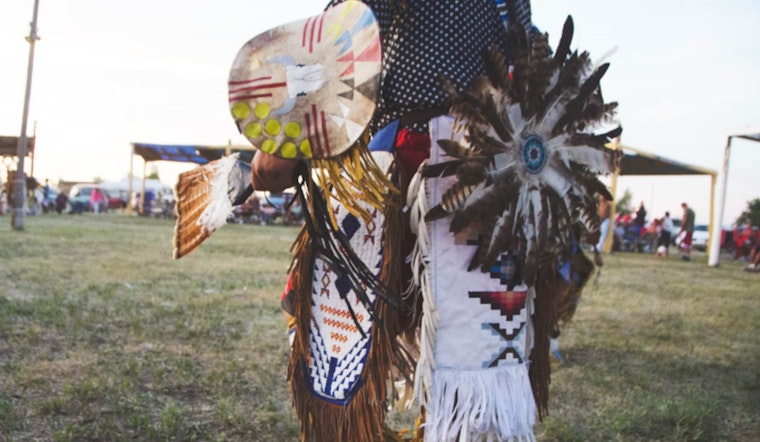
As per KRWG, in a state where President Biden won by less than a 1% margin in 2020 and where Native Americans represent 5% of the population, the role of Native voters is critical. The Harris campaign has launched the "Native Americans for Harris-Walz" coalition, aiming to mobilize votes from tribes across the state, which has been described as the "most expansive tribal organizing program ever in the state."
Kevin Jackson and Charles Quimayousie, both Native American voters, shared their support for Harris with KRWG, underscoring the potential influence this demographic could have on the election outcome. Simultaneously, the Democratic National Committee unveiled a six-figure ad campaign targeting Native voters, which spans digital, print, and radio ads. On the opposing end, Republicans like Ina Noggle have been campaigning for Trump in Arizona, working to initiate conversations based on values rather than direct political endorsements, suggesting a growing receptivity among Native voters towards the GOP.





