

























































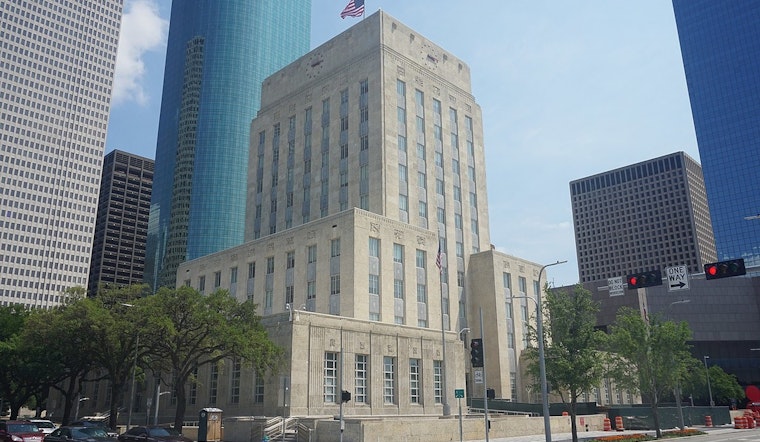
In a unanimous decision that may bring relief to property owners bracing for a financial blow, the Houston City Council has voted to maintain the city's tax rate at its current level. Property taxes remain steady at $0.519190 per $100 of taxable value, as reported by click2Houston. This decision comes despite the looming hole in the city's budget due to recent storm damage.
Mayor John Whitmire, along with a united city council, appears to have averted the need for a tax increase by locating alternate avenues for budgetary solvency. Initially, an additional $7 million in savings was deemed necessary to address the deficit caused by storm-related costs. However, state funding and strategic financial auditing are paving the path toward fiscal balance, as detailed in coverage by the Houston Chronicle.
The situation might have called for an increase in property taxes, but the city's leadership sought to preserve Houston's competitive cost of living. Vice Mayor Pro Tem Amy Peck emphasized, "Our tax base will leave if we make it more expensive, and people will reconsider opening new businesses if we increase taxes and take away the very reason people chose to be here," underscoring the rationale behind the council's choice, as per click2houston.
Houston's budgetary concerns are in part mitigated by Texas Governor Greg Abbott's allocation of $50 million to the city for debris removal stemming from the May derecho and Hurricane Beryl. This injection of state funds eased the pressure to raise taxes. Both Peck and Whitmire publicly acknowledged Governor Abbott's contribution to their capacity to keep taxes stagnant, with Peck expressing her appreciation for the mayor's efforts to keep our taxes low.
The Houston City Council decided to intensify its scrutiny of the city’s Tax Increment Reinvestment Zones (TIRZs). They have more than doubled the funds dedicated to an Ernst & Young study, targeting these zones for audits. According to the Houston Chronicle, Mayor Whitmire commented on the need for this by saying, "They spend large amounts of money with little oversight. We want to get inside their operations and see if we can eliminate waste, duplication and corruption." This heightened focus on fiscal efficiency and accountability aims to further protect the city's financial health without burdening its residents with higher taxes.





.jpg)