

























































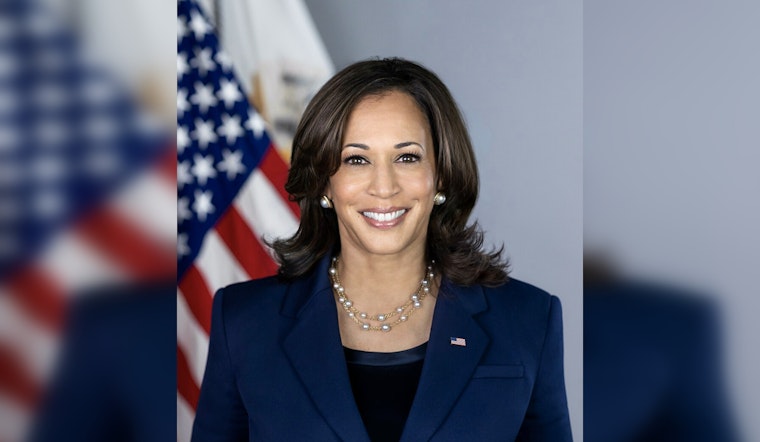
Vice President Kamala Harris, having recently been named the Democratic presidential nominee, encountered pushback on her Arizona campaign trail not just from those ideologically opposed to her policies but from those within potential support bases who feel a deep discord with her administration's actions. Specifically, pro-Palestine activists interrupted several events, unsatisfied with the Biden-Harris administration's handling of the conflict in Gaza and their continued military aid to Israel despite devastating civilian casualties, as reported by the Phoenix New Times.
While pro-Palestine demonstrators aim to make their voices heard, Harris is simultaneously courting another crucial demographic in the historically red-turned-battleground state, according to AP News: voters connected to the Church of Jesus Christ of Latter-day Saints represent a community that Trump has found challenging to win over. Even a slight shift in their numbers could influence a close election. With this in mind, Harris has focused her campaign on forming an advisory committee to gain their support.
Amidst the complex political maneuvering, there remains a persistent tension between policy clashes and moral alignment among the voters, as Joel John, co-chair of the advisory committee to attract Latter-day Saint voters and former Republican state lawmaker, emphasized, suggesting that despite policy differences, Trump's disdain for the Constitution is antithetical to their values while acknowledging his Mormon faith, he clarified, "we certainly shouldn’t be supporting someone who tried to overthrow it on Jan. 6," as he told AP News.
Harris faces skepticism from advocates for Palestinian rights, many of whom have declined to support her candidacy, with some calling for votes for third-party candidates in protest, similar to the actions of nine anti-war activists in Arizona recently. This situation highlights a fragmentation of potential support and reflects a broader political climate in which some voters who might typically align with the Democratic Party are considering alternatives. Whether conservative or progressive, these voters are seeking values that extend beyond policy issues and into moral considerations.
The complex political landscape in Arizona highlights how Harris' team is navigating a challenging election season marked by discontent from various groups. Her campaign is balancing support for Israel's defense with appeals to church teachings on constitutional values, while also working to attract different segments of the electorate to her vision of governance.





