

























































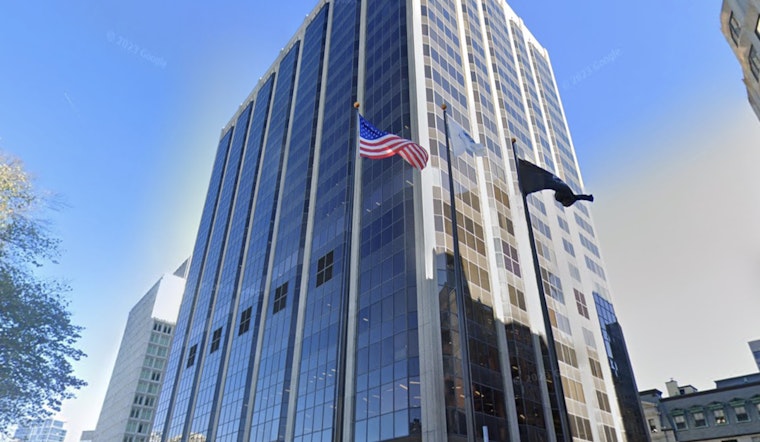
The Massachusetts Attorney General's Office (AGO) has taken a strong stance against illegal gambling activities by sending a cease-and-desist letter to Harp Media B.V. and Hove Media, which operate collectively as Bovada. The AGO's action focuses on the operation of an unlicensed sports betting and online casino platform aimed at Massachusetts residents. In its announcement, the AGO stated that Bovada has been allegedly presenting itself as a "USA-based" gambling operator, a claim the AGO disputes, pointing to the company's absence of a valid Massachusetts gaming license.
Bovada's potential illegality, as detailed in the AGO's letter, includes providing casino and sports wagering services without the approval of the Gaming Commission, thereby violating the state's gaming and sports betting laws. The AGO has instructed Bovada to immediately stop all services to users in Massachusetts and to arrange refunds in U.S. currency. According to reports from Mass.gov, the risks associated with unregulated operators like Bovada include insufficient consumer protections against gambling addiction, underage gambling, and unreliable access to users' funds, as many of these operators are based offshore and evade domestic oversight.
Massachusetts Attorney General Andrea Joy Campbell's campaign against unlicensed gambling operations is driven in part by broader public health concerns, particularly regarding the vulnerability of young people to the temptations of illegal gambling. Earlier this year, AG Campbell advocated for the formation of the Youth Sports Betting Safety Coalition, marking a new era of collaboration between the public and private sectors aimed at educating and raising awareness about the risks associated with youth sports gambling.
The cease-and-desist action was led by a team of dedicated attorneys at the AGO. Notably, Chief Jared Rinehimer from the Data Privacy and Security Division, Assistant Attorney General Louisa Gibbs from the Gaming Enforcement Division, and Assistant Attorney General Alda Chan from the Consumer Protection Division all contributed their expertise to this matter. As noted by Mass.gov, the funding for the AGO's Gaming Enforcement Division, including this case, is partially derived from the Massachusetts Gaming Commission's budget.





