

























































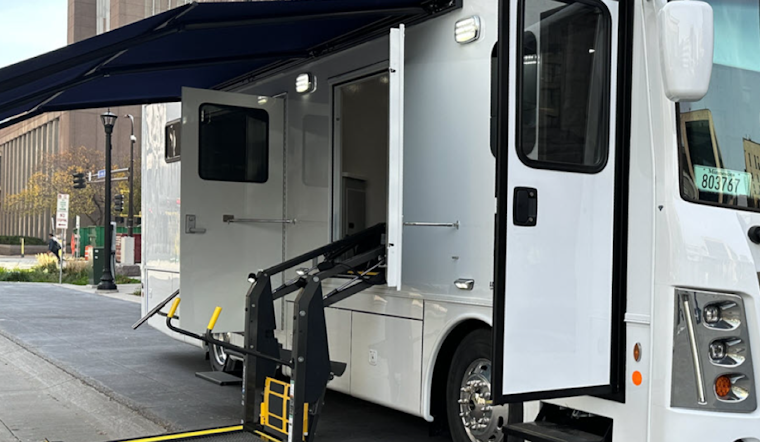
With an eye on reducing health disparities, Minneapolis is rolling out its first Mobile Medical Unit (MMU), courtesy of more than $1 million sourced from opioid settlement funds. This initiative, aiming to decrease opioid overdose deaths and increase the accessibility of treatment across the city, is an innovative step in public health logistics and outreach. As Mayor Jacob Frey emphasized, "Every Minneapolis resident deserves access to healthcare, no matter where they live."
The MMU is a robust response to the fentanyl crisis – among other health challenges – that has disproportionately affected various communities within the city. According to a city press release, the unit is being developed to bring critical care, including medication for opioid use disorder (MOUD) and mental health counseling, directly to underserved populations. Council Member LaTrisha Vetaw added, "For too long, certain communities have faced health disparities and gaps in care."
Designed to deliver culturally responsive and trauma-informed care, the MMU will facilitate a range of services, such as basic health screenings, medication consultations, wound care, vaccinations, and youth health services. "Most of us have a family member, relative or a friend who suffers from substance use disorder," said Commissioner Damōn Chaplin of the Minneapolis Health Department, acknowledging the broad impact of substance abuse issues amidst the city's diverse backdrop.
The operations of the MMU are scheduled to commence in early 2025, with the current focus on staffing and equipping the mobile unit. Although it will be available for citywide use, there is a strategic plan to target neighborhoods where access to healthcare has been especially problematic. "The Minneapolis MMU is a direct response to this, ensuring that all citizens, regardless of race, income, or ZIP code, have access to preventive care, vaccinations, and essential medical services," Vetaw noted, outlining the egalitarian ethos behind the unit's deployment.
By bringing healthcare services directly to individuals who might otherwise go without, the city of Minneapolis is demonstrating a commitment to bending the arc of local health equity. As the MMU readies for its 2025 debut, community members are looking ahead to a resource that promises to be both practical and transformative in the ongoing battle against health care inequality and the opioid epidemic.





