

























































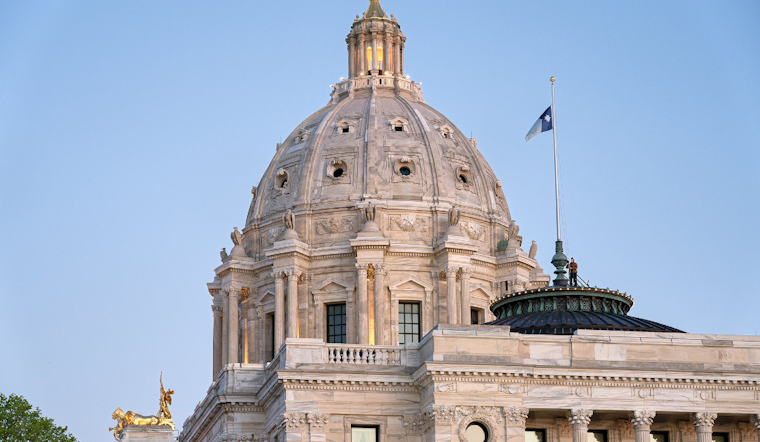
Minnesota residents are being called to actively participate in the shaping of their state's water policy as the Minnesota Department of Health has released a draft of the Drinking Water Action Plan for public review and comment. Developed collaboratively with input from a diverse group of stakeholders, this plan lays out a strategy for the next decade to ensure every Minnesotan has access to safe and sufficient drinking water. The public feedback period will remain open until October 17.
In a move to both protect public health and align with growing concerns about environmental contaminants, State Senators Judy Seeberger and Tou Xiong are urging constituents to not only review but also to share their perspectives on the drafted provisions. “Safe drinking water is foundational to the health of Minnesotans, and it has been one of my biggest legislative priorities,” Senator Seeberger was quoted saying in a statement obtained by the Minnesota Senate DFL website. She stressed the impact of PFAS contamination in her district and welcomed the Department of Health's initiative.
Both senators have been at the forefront of the campaign against PFAS, also known as "forever chemicals," which persist in the environment and have been linked to various health issues. These efforts culminated in the 2023 legislature that sought to limit PFAS use and address contamination. Senator Xiong emphasized the importance of public participation, stating, “Your advocacy led us to ensure PFAS legislation was a priority for the DFL caucus.” He has encouraged all Minnesotans to submit feedback on the proposal, per the Minnesota Senate DFL website.
The Drinking Water Action Plan encompasses several key areas, including reinforcing the drinking water workforce, safeguarding private well users, and addressing broader environmental threats such as climate change. As policymakers strive to intertwine the health of their communities with environmental stewardship, the participation of the public is seen not just as beneficial, but necessary. Members of the public interested in the Minnesota Drinking Water Action Plan can access it here and are encouraged to provide their feedback before the deadline.



