

























































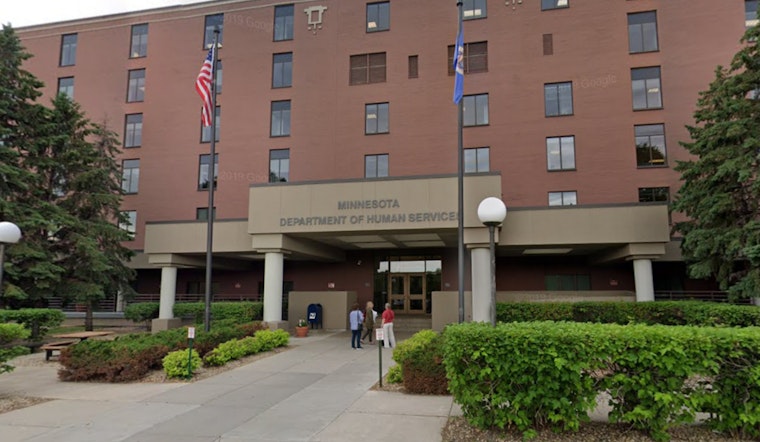
The landscape of support for Minnesota's aging and disability communities is seeing major updates with the rollout of the Community First Services and Supports (CFSS) program. Beginning on October 1, 2024, the Minnesota Department of Human Services (DHS) marked a notable shift in how personal care assistance (PCA) and the Consumer Support Grant (CSG) are administrated, as reported in their latest announcement. Individuals using PCA and CSG will begin transitioning to CFSS at their next assessment, an initiative designed to enhance community integration and independence.
Concurrently, updates to the Medicaid Management Information System (MMIS) have been implemented to accommodate the CFSS changes. Counties and tribal nations were informed that the DHS made changes to MMIS, effective September 30, 2024, to streamline the transition. The DHS also issued a reminder in their bulletin, seeking new members to join their Early Intensive Developmental and Behavioral Intervention (EIDBI) advisory group, tasked with guiding services for those under 21 with autism spectrum disorder and related conditions, with applications due by November 1.
On the training and engagement front, The DHS and the Department of Children, Youth and Families (DCYF) are engaging professionals through multiple sessions targeting the provision of services for children with complex needs, offering a platform for case managers to share their experiences and challenges. These regional sessions, as cited in the DHS bulletin, aim to foster community dialogue and are scheduled from October to December 2024.
Complementing these sessions, the University of Minnesota’s Institute on Community Integration (ICI) announced its next quarterly training, "Understanding Customized Employment and the Discovery Process." This free virtual training opportunity, designed for employment and day service providers, is scheduled for November 7. Additionally, DHS is gearing up for the annual Minnesota Gathering for Person-Centered Practices on November 12 and 14, for which they are encouraging registrations.
In tandem with these systemic updates, DHS is also emphasizing resident advocacy. October has been declared as Residents' Rights Month, an observance led by the Office of Ombudsman for Long-Term Care, putting a spotlight on the rights and dignity of long-term care residents. As these developments unfold, AASD and DSD's weekly updates continue to serve as a critical conduit for information, keeping communities informed on matters that directly impact their services and support systems.




