

























































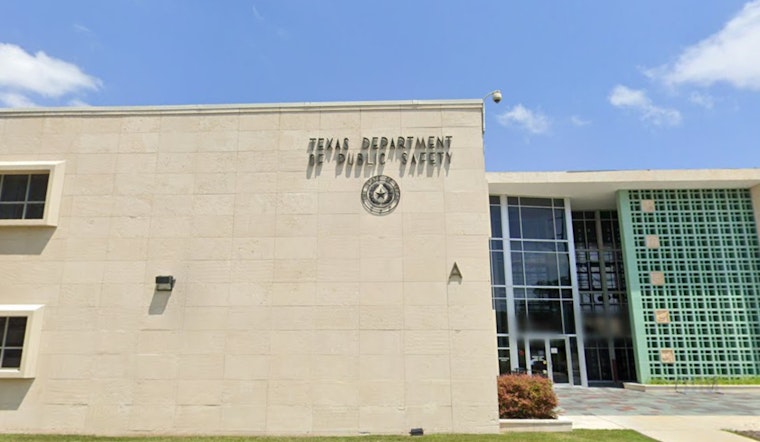
Texans are gearing up to adapt to new vehicle inspection laws set to take effect in 2025. The most substantial shift is the discontinuation of the mandatory safety inspection for non-commercial vehicles. Starting January 1, 2025, the familiar routine of yearly check-ups will come to an end for most vehicles in the Lone Star State, although a replacement fee will still be collected upon vehicle registration, as reported by KSAT.
While the annual inspections are set to go the way of the dinosaurs, commercial vehicles have been spared from the legislative meteor, as it were, and will continue to require a safety inspection. "Regular maintenance ensures the proper operation of your vehicle’s headlights, taillights, horn, mirrors, windshield wipers, tires, and other critical functions," the Texas Department of Public Safety (DPS) emphasized. Despite the elimination of the safety inspection for private vehicles, such diligence remains a legal requirement and critical for safety on the roads, according to the news release from DPS, according to KSAT.
Delving deeper into the reasons behind these regulatory changes, Baumgartner Law Firm’s blog explains that advancements in vehicle safety features and concerns over the redundancy of inspections for modern vehicles played key roles. Cost savings are also on the table for Texas drivers, as they will pay a $7.50 fee instead of going through the inspection process; for new vehicles, this one-time fee stands at $16.75 for two years of registration.
The shakeup doesn't mean emissions testing is off the hook. Counties with air quality issues will still mandate the checks, with costs varying. For instance, Bexar County, which does not currently require emissions testing, is set to start in 2026. Drivers should be prepared to continue these emissions tests, as failure to do so could lead to fines and impact their ability to renew vehicle registration. This requirement underscores the state’s ongoing commitment to environmental standards.
Ultimately, the onus for keeping vehicles in check now more heavily rests on individual drivers. "Driving a vehicle without many of these properly working safety features is against the law and puts everyone at risk," the DPS news release emphasized as reported by KSAT. Such vigilance is particularly crucial as the new laws come into force next year, signaling a significant change in how Texans are used to care for their cars. Be it simple tire checks or staying informed on the latest in vehicle laws, personal responsibility is the order of the day for Texas motorists in 2025 and beyond.





