

























































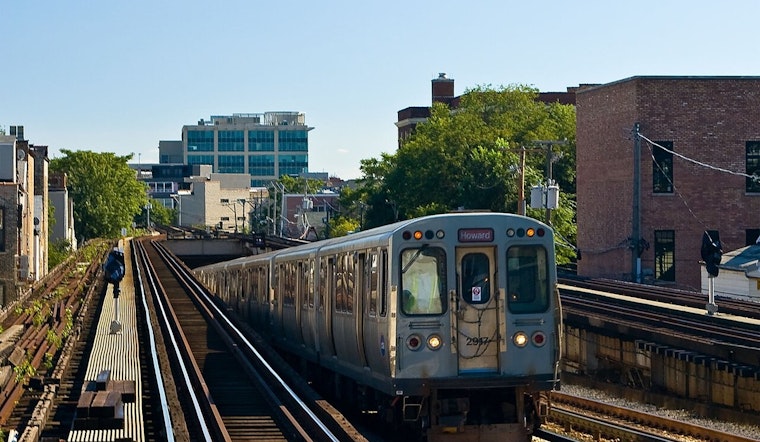
Last year's Yellow Line train crash which left 38 people injured has received a new update regarding the train operator's condition at the time of the incident. According to a report by the National Transportation Safety Board (NTSB), the operator had alcohol in his system during the November 2023 collision with a snow plow. A blood sample taken less than an hour after the crash indicated a blood-alcohol level of 0.06, over the legal limit for train operators, which is 0.02.
The 47-year-old operator was among the most critically injured, with the collision sending 23 to hospitals and prompting the refusal of care by another 15 individuals. Yet, the NTSB report mentioned that the operator had initiated a full-service braking application upon sighting the obstacle, followed by an emergency braking application. The CTA has released statements emphasizing their compliance with federal regulations for drug and alcohol policy, their commitment to safety, and ongoing cooperation with the NTSB. "The CTA continues to work closely with the NTSB as they continue their investigation into the Yellow Line collision last November," the agency stated, as reported by CBS News.
Furthermore, additional details from the NTSB pointed out a design flaw that resulted in the train's braking distance being significantly shorter than that of newer systems. NTSB chair Jennifer Homendy had previously stated that the flaw had contributed to the crash. Following the incident, four lawsuits were filed by Clifford Law Offices, all alleging the preventability of the crash and seeking damages for the plaintiffs involved.
Despite the ongoing investigation and the severity of last year's incident, CTA Yellow Line service has resumed since January. The operator implicated in the crash remains out of service, and it remains to be seen what the next steps in the investigation will be or if any charges will be filed. According to the Chicago Sun-Times, the CTA's statement highlighted the measures in place to promote a drug and alcohol-free work environment and the routine tests conducted on safety-sensitive employees. "Safety-sensitive employees are subject to pre-employment and return to duty testing," the statement detailed.





