

























































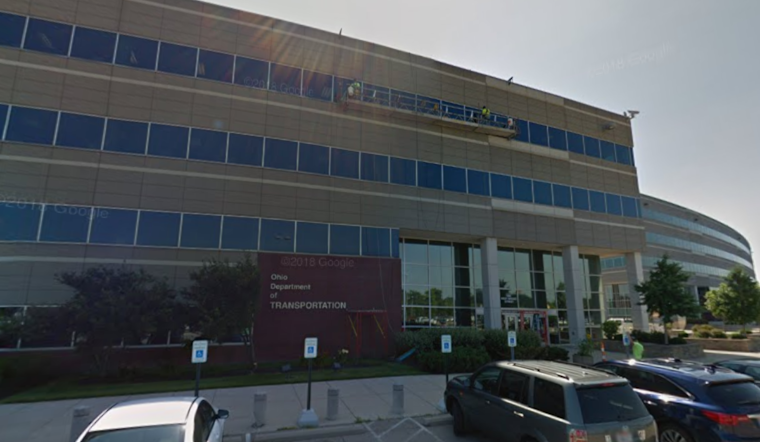
In a significant push for safer roads, a recent announcement made clear that Ohio Governor Mike DeWine and Ohio Department of Transportation (ODOT) Director Pamela Boratyn set forth a 63-million-dollar plan, targeting 19 key safety projects across 14 counties. These initiatives, backed by ODOT's Highway Safety Improvement Program, pivot on constructing roundabouts and deploying cable barriers to mitigate high-risk crash zones.
"We're always looking at how we can make our transportation system safer," Governor DeWine shared, adding that the endorsed projects are tailor-made to curb crash rates, weaving in the protection for daily commuters, "these projects will make improvements that will help reduce the number of crashes, making it safer for those who travel in these areas each day," according to a statement from the Ohio Department of Transportation. "Every project we do has an element of safety built in, but these projects were specifically selected and funded because we know they will save lives and reduce the chance of a serious crash," Boratyn weighed in, emphasizing the life-saving potential of these road upgrades.
Roundabouts have received attention for their impact on safety. Federal Highway Administration (FHWA) studies demonstrate their effectiveness: a 44% crash reduction and close to 90% dip in severe injuries and fatalities at previously problematic two-way stop intersections. The FHWA lent credibility to these improvements, bolstering the case for the broader application of roundabouts in traffic planning.
The defensive strategy extends to cable barriers, proven shields against hazardous median cross-overs on highways, preventing head-on collisions, which, according to a University of Dayton study, affirmed a 74% efficacy in blunting total crashes and an even more formidable 80% in slicing through fatal and injury crashes—the study also found a reassuring 95% of vehicles ensnarled by these barriers, halting or deflecting their trajectory rather than breaching the barriers, effectively acting as a safety net for errant vehicles with potential life-saving outcomes.
Its generous funding allocation further underscores Ohio's committed stance on road safety. Its impressive annual budget tops $180 million for its Highway Safety Improvement Program, which positions Ohio at the forefront of safety investment per capita nationally. Back in May, Governor DeWine earmarked an additional $83 million for a slew of 28 roadway safety projects that spanned 22 counties, further accentuating Ohio's persistent drive to quell the incidence of traffic-related fatalities and injuries at observable hotspots where previous interventions fell short of the mark.




