

























































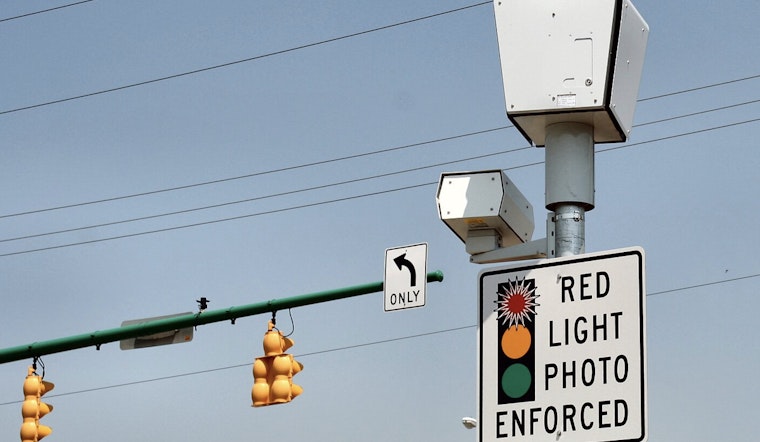
The debate on traffic safety in Phoenix has taken a decisive turn as the City Council voted 8-1 to reinstall red light cameras in the city. The contentious decision, reported by FOX 10 Phoenix, aims to address the rising occurrences of red-light running, associated fatalities and injuries. Phoenix residents have observed an increase in dangerous driving behaviors, resulting in twenty deaths and over 800 injuries in the past year.
With the upcoming setup of 10 red light cameras and additional portable speed enforcement devices by fall 2025, a council member assured, "This is not a revenue generator, but a tool to provide our city with safer streets." However, the implementation of these cameras poses concerns to some about privacy and discriminatory enforcement. According to a series of reports by FOX 10 Phoenix, Phoenix leads in traffic deaths among large U.S. cities, with more fatalities than Mesa, Glendale, and Scottsdale combined.
The only dissenting vote on the council, Councilman Jim Waring, believes that while stationary cameras may change behavior at specific intersections, they do not represent an efficient use of resources. "We need more officers," Waring expressed a view that reflects concerns about the reduced size of the Phoenix Police Department's traffic enforcement squad. In contrast, Councilwoman Ann O'Brien sees promise in the potential data, "Our intersections will become safer, and we won't have to wonder, right? We'll be able to look at the data," she told AZ Family.
Though the cameras are cost-neutral and funds collected will be reinvested into traffic safety programs, state leaders like Senator Wendy Rogers express strong opposition. "The only reason the City of Phoenix would be bringing the cameras back is to make easy cash off unsuspecting motorists, many of whom are struggling just to make ends meet," stated Rogers, as she plans to reintroduce legislation to ban photo radar, AZ Family reported. Observing the move closely, the City Council promises to assess the effectiveness of the program through briefings on data twice a year, and to roll out an educational campaign to notify citizens of the camera locations well in advance.



