

























































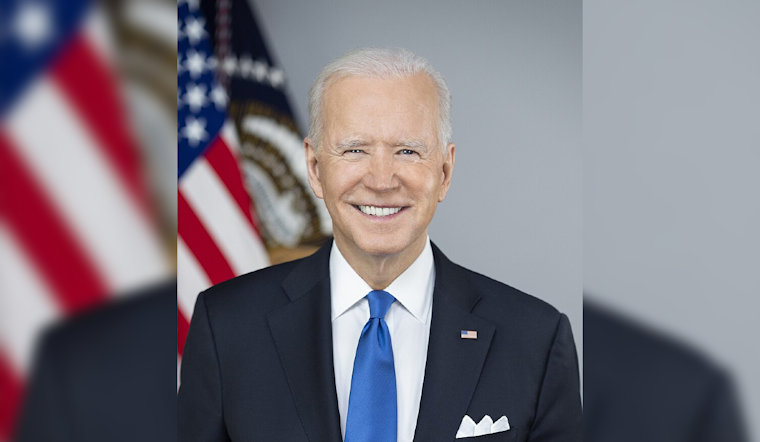
In a historic move, President Joe Biden has formally apologized for the United States' part in the American Indian boarding school system, a policy which saw generations of Native children stripped from their families and culture. This apology was issued during remarks at the Gila River Indian Community in Arizona on October 25. The boarding schools, established in the late 1800s, were part of a government effort to enforce cultural assimilation of Native peoples.
The Indian Agents of the United States have a sordid history of forcibly removing Native children—some as young as four—from their homes to attend boarding schools far from their communities. To coerce parents into compliance, promises of rations, clothing, and necessities were often withheld. In these institutions, Native children were compelled to abandon their identity in favour of the culture and customs prevalent among white settlers.
Senator Mary Kunesh of Minnesota responded to the President's remarks with approval, indicating the recognition of past injustices was a significant step toward mending the strained relationship between the United States and Indigenous nations. "It is encouraging to see President Biden’s formal apology for the United States’ role in facilitating the American Indian boarding school system," Kunesh stated in her release. According to the statement. She further emphasized the importance of remembering this dark period in history, addressing its continued effects on Indigenous communities, and staying vigilant against similar acts of ethnic cleansing.
In Minnesota alone, 16 boarding schools operated, drawing students from all the state's 11 tribal nations. These schools were known for their harsh discipline and exploitation of student labor, often in harsh conditions. Kunesh spoke to the legacy of these schools, stating, "The generational trauma caused by over a century of family separation and forced cultural assimilation still weighs on Indigenous communities to this day." She also made a connection to current social issues, identifying a need to stay wary of and reject white supremacist attitudes that seem to be resurging.
The acknowledgement by President Biden and the United States government marks an essential recognition of historical wrongdoing. As such apologies are rare, the statement stands as a pivotal moment for the relationship between the federal government and Native American tribes, signifying a willingness to confront and learn from past mistakes in a quest for meaningful reconciliation.


