

























































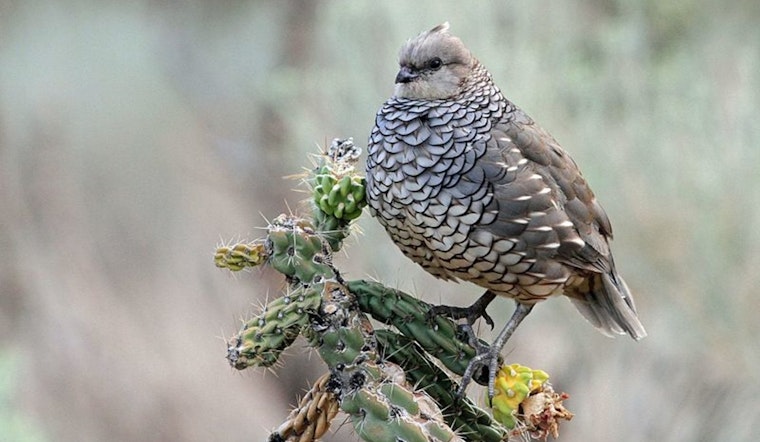
As the calendar edges towards the end of October, the Texas Parks and Wildlife Department (TPWD) has given quail hunters across the state something to look forward to. Their annual roadside survey has indicated an increase in the quail populations, hinting at a promising season ahead with the opener set for October 26, according to the Texas Parks and Wildlife Department.
John McLaughlin, TPWD upland game bird program leader, couldn't hide his optimism. "This is good news for quail and for many across rural Texas," he mentioned, as stated by the TPWD. Noting that habitual shifts are key for long-term trends, he pointed out the significant role of weather patterns - such as rainfall and temperature - in driving yearly fluctuations. Following a period of eased drought conditions, habitats have bounced back, and the quail populations have enjoyed the rebound.
The bobwhite quail populations have benefitted from a buffet of favorable conditions, starting with last year's early-season rainfalls. These precipitations laid the groundwork for critical "grass and weed" growth, thus driving up the 2023 population numbers. With a mild winter to boot, which fostered improved survival rates and spiced up the breeding activities, the numbers for 2024 are looking even more robust. "Interrupted by summer heatwaves the rebuild has been slow, but bobwhite populations appear to be climbing fast out of the hole they’ve been mired in since 2020," McLaughlin told TPWD.
The TPWD surveys showed quite a leap in the bobwhite count in the Rolling Plains - 16.50 birds per route, a cheering leap from 3.43 the previous year, and towering over the 15-year mean of 11.75. Even the least expected visitors, the scaled quails, have shown an increase in sightings, particularly outside their famous abode in the Trans-Pecos. While the Trans-Pecos region maintained its stead with a count of 20.12 birds per route, which is above the 15-year mean of 17.49, dry conditions earlier in the year put a damper on nesting activity - yet, hope remains as TPWD biologists reported a good number of carryovers in the wildlife management areas.





