

























































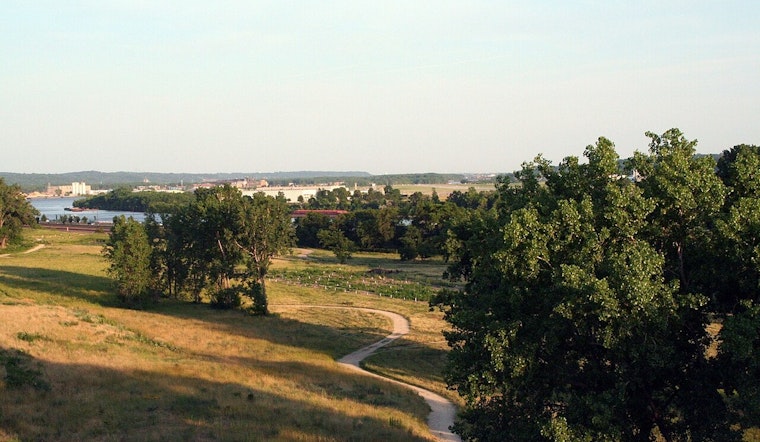
In Saint Paul, a significant step was taken to honor the land and peoples upon which the city rests. Today, Mayor Melvin Carter, alongside community members and tribal leaders, commemorated Indigenous Peoples' Day with the announcement of a landmark co-management agreement. According to the stpaul.gov website, the City of Saint Paul and the Native-led nonprofit Wakáŋ Típi Awáŋyaŋkapi will together manage the Bruce Vento Nature Sanctuary, a sacred Dakota site.
Spanning 27 acres, the Bruce Vento Nature Sanctuary, known also as Wakaŋ Típi, will now be cared for using traditional Indigenous land management practices. This new agreement aims not just to restore the land but also to truly strengthen the ties between the Dakota people and their historically significant landscapes. "Saint Paul is built on Dakota land," Mayor Carter stated in the release, “We are proud to finally restore access and stewardship to this sacred site.”
The initiative is the fruition of concerted efforts by the Saint Paul Department of Parks and Recreation's Division of Design and Construction who have worked closely with Dakota leaders. The collaborative approach has fostered a profound understanding of culturally significant landscapes throughout the Twin Cities. Part of this understanding will be showcased at the forthcoming Wakáŋ Típi Center, a space dedicated to cultural and environmental education.
Further affirming the city's commitment, Saint Paul City Councilmember Cheniqua Johnson praised the project's far-reaching benefits: "Wakáŋ Típi Awáŋyaŋkapi plays a vital role in educating the East Side and Saint Paul on the Dakota experience,” she told stpaul.gov. “This partnership honors Dakota cultural heritage and strengthens community ties, fostering a deeper understanding of our city’s shared history.”
The venture is well-supported fiscally, with a $2.4 million Bush Community Innovation grant and additional funds from the state recommended to aid in both restoration and educational endeavors. "It has been the honor of a lifetime for me to be able to work toward this reclamation of access, stewardship, and relationship with this sacred place for our Dakota people," said Maggie Lorenz, Executive Director of Wakáŋ Típi Awáŋyaŋkapi, as per the stpaul.gov interview.
The Bush Foundation's Mattie DeCarlo heralded the co-management model as innovative and signaled its potential to impact regional land management practices, allowing Native community members to reclaim their decision-making power over the land.
Founded in 1997, Wakáŋ Típi Awáŋyaŋkapi, formerly Lower Phalen Creek Project, has been a driving force in environmental stewardship rooted in Dakota values. Their work across significant sites on the East Side River District is an evolving narrative of engagement, honor, and care, shaping a future where nature and culture harmoniously coexist.



