

























































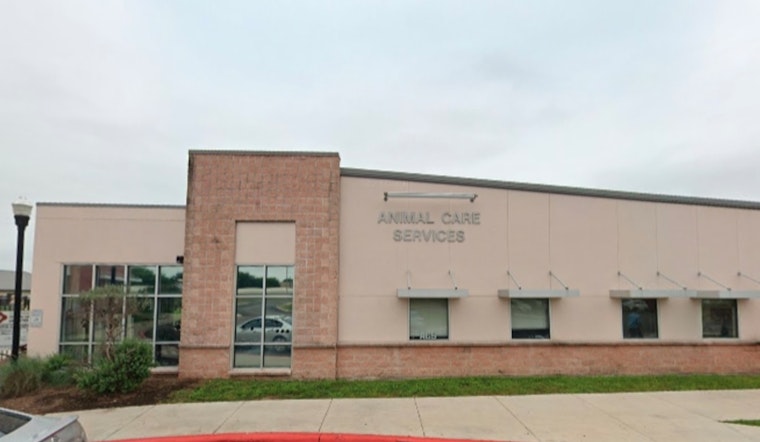
San Antonio's Animal Care Services (ACS) has proposed new measures to improve public safety by addressing issues with loose and dangerous dogs. The proposals include mandatory sterilizations, accepting anonymous complaints for dangerous dog investigations, and higher fines for repeat offenders. These initiatives are set for a city council vote in December.
According to Sea and Field, ACS Interim Director Mike Shannon expressed the need to no longer give the benefit of the doubt to irresponsible pet owners. Fines for owners who fail to prevent their dogs from biting would escalate to a minimum of $1,000, with subsequent violations potentially reaching up to $2,000. A proactive approach has already been initiated with ACS officers beginning to make visits to "repeat offenders" in hopes to prevent further incidents.
As per a report by KSAT, these changes were motivated by concerns from residents who are afraid to partake in everyday activities such as walking in their neighborhoods or allowing their children to walk to school. District 7 Councilwoman Marina Alderete Gavito emphasized, "This is not a dog problem. This is a people problem," indicating a shift in focus towards the accountability of dog owners.
Anonymous reporting mechanisms are being updated to protect those concerned about retaliation. Shannon noted that reports can be made under pseudonyms, but if the case goes to court, the complainant's real name will be required. ACS will collaborate with the City Attorney's Office to quickly implement this anonymous complaint process, ensuring thorough investigations and dismissing any unfounded claims.
Regarding the sterilization of stray dogs, it has come to light that in previous years, ACS followed up on as few as 26% of its sterilization orders, though there has been an increase to 69% last year. The new strategy includes the proposal for ACS to start sterilizing certain dogs prior to them being returned to their owners, mainly those picked up from the ACS campus. This measure is intended to ensure that 100% of sterilization orders will be issued and followed up in the future, contributing to better control of the stray and loose dog populations in the city.




