

























































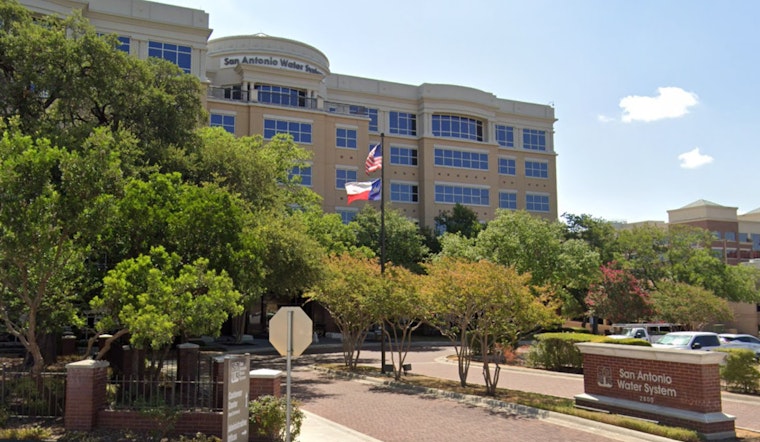
The San Antonio Water System (SAWS) has initiated a campaign to offer free inspections for lead and galvanized water service lines, a move sparked by a new mandate from the Biden administration. This decision, coming to light through an announcement by SAWS, is a response to the Environmental Protection Agency's (EPA) rule that sets a 10-year deadline for water systems across the nation to replace lead service lines. This proactive measure by SAWS underlines the utility's efforts to comply with federal directives and to ensure the integrity of drinking water for its customers.
According to KENS 5, starting the following week, customers residing in areas serviced by SAWS with unidentified, lead, or galvanized lines can anticipate receiving a letter from the water system. The communication will inform them about the type of service lines they have and their consequent eligibility for inspections. SAWS, which has been active in removing lead service lines since the 1980s, now concentrates on identifying potential lead issues on the customers' end, as per the recent EPA requirements for safer water.
Homeowners with properties constructed before 1989 are particularly encouraged to register for free inspections and are also offered the alternative to inspect their service lines independently or with the assistance of professional plumbers. As mentioned in a report by Texas Public Radio, SAWS is planning to create a comprehensive service line inventory from information garnered through these inspections, which will be made public on their website on October 16.
The scope of this project is significant. "There are more than 600,000 customer service lines in San Antonio, more than half of which are made of unidentified service line materials," said Kirstin Eller, a SAWS potable water quality supervisor in a statement obtained by Texas Public Radio. The process to determine the material used in each service line requires a meticulous physical inspection, which may involve techniques such as potholing, meter box inspections, or evaluating exposed pipes in crawl spaces. This effort requires the cooperation of the homeowners, thus emphasizing the community's role in safeguarding its collective health.


