

























































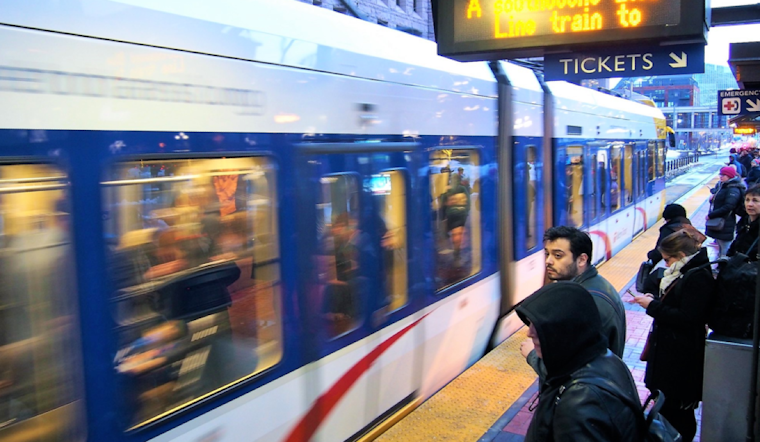
In a recent study by the University of Minnesota's Accessibility Observatory, it's reported that the economic aftershocks of the COVID-19 pandemic continue to ripple through U.S. urban transportation systems, leading to a decrease in job accessibility. The Annual Access Across America (AAA) report, which looks at how typical workers can reach jobs via walking, biking, transit, and driving within 30 minutes, suggests a downward trend in access for 2022. According to a University of Minnesota's Center for Transportation Studies report, all 50 of the most populous American urban areas experienced reduced job access during the morning commute when driving.
While the country struggles to find its post-pandemic equilibrium, Los Angeles workers lost access to 1.2 million jobs, which is a 40% reduction compared to the previous year, as per the research findings. This decline not only holds for vehicle commutes but also reflects on biking and transit users. "Travel habits are sticky, and during COVID it was unusually easy to travel across many urban areas by car, which wasn’t sustainable," said Andrew Owen, a senior researcher for the Accessibility Observatory and lead author of the report. Increased congestion is cited as a principal factor for the bottleneck effect on job accessibility.
It's not just drivers feeling the squeeze. The study's newly included walking report, the first of its kind since 2014, found that the average New York City resident could access less than 1% of regional jobs by a 30-minute walk or roll. Shirley Liu, a researcher at the Observatory, highlighted that while walkable areas might herald gentrification, "the data showed that in places like Minneapolis, Baltimore and Cleveland, lower-wage residents have better connections by walking or rolling to jobs in the city than higher-wage workers do," articulating a key dynamic between income levels and transportation modes.
As the transit services get trimmed, the repercussions extend beyond just longer travel times. The diminished service leads to tangible barriers to employment opportunities, especially for those dependent on public transport. The 2022 AAA report underlines the growing concern around the financial viability of critical transportation modes that have historically enabled job access. This is a particularly crucial issue in the light of support from entities like the Federal Highway Administration and various state DOTs for the National Accessibility Evaluation pooled-fund study, which underpins the Access Across America study.




