

























































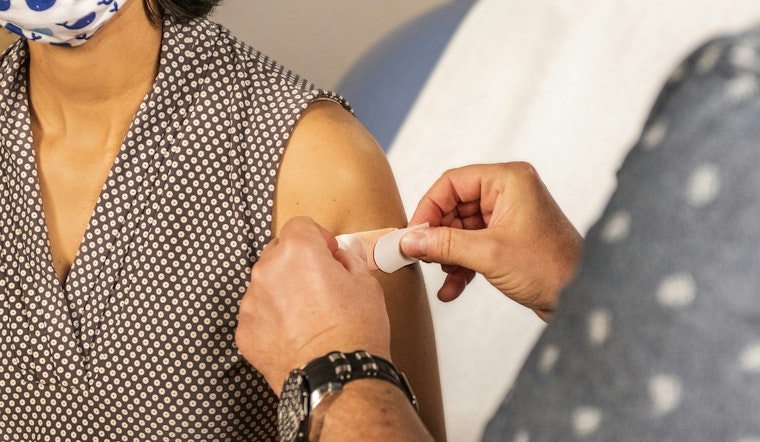
As the foliage shifts from green to the oranges and reds of fall, so too does the focus on health shift towards protective measures against the seasonal flu and the ever-present COVID-19. Targeting the health-conscious and the apprehensive alike, Professor Rebecca Wurtz from the University of Minnesota recently weighed in on the evolving landscape of vaccines. In a discussion with the University, the importance of timely vaccination was underscored, particularly as COVID-19 remains a chameleon of contagion.
With a backdrop of varicolored leaves that come with autumn, nearly three-quarters of urban dwellers in Minnesota are vaccinated against COVID-19. This contrasts with just over half of rural residents who have had the shot, as noted by previous research. As the seasons change, so do these viruses, necessitating the need for updated vaccines. "The new vaccine uses the same technology as the old one — the only difference is it has been updated to be more protective against the variants of COVID-19 circulating now," Prof. Wurtz told University of Minnesota News. This annual update parallels the flu vaccine's yearly modifications to combat the shifting strains of influenza.
One might be inclined to ponder the effectiveness of past vaccinations, to which Prof. Wurtz is unequivocal. Discussing the durability of immunity, she remarked, "If your last vaccine was longer than six months ago, it is no longer working as well as it could be." She highlighted the dual factors of waning immunity over time and viral mutations as primary concerns. And for those who had COVID-19 over the summer, the guidance is clear: timing is essential. "If you were sick at the beginning of summer, now’s the time to get the vaccine," Prof. Wurtz explained, asserting that a bout of COVID-19 typically confers protection for about three months after recovery.
Amidst this guidance, a beacon of light shines for those most vulnerable. "The answer is a resounding yes!" said Prof. Wurtz, when asked if immunocompromised individuals can receive the vaccine. As the leaves starting to die in the autumn, the risks associated with COVID-19 grow higher for individuals with compromised immune systems, making vaccination critically important. Prof. Wurtz also clarified that it is acceptable to receive both the COVID-19 and flu vaccines concurrently. While a combo shot is in development, she urged the public not to delay: "don’t wait for the combo shot – the time to get the COVID shot is now."
Turning to the flu, Wurtz offered timely advice about getting the flu shot early in the season, "which “officially” starts this year on September 30." Early October is the optimal time for the flu vaccine to ensure coverage through the late spring, as suggested in her conversation. As the season tends to peak in the winter and can extend to March, it's crucial not to jump the gun and get vaccinated too soon; otherwise, the protection might wane when it's most needed.
For those interested in the inner workings of public health and the data that informs decisions like these, Prof. Wurtz likened her routine check-ups of flu statistics to sports fans monitoring game scores. This comes as no surprise, given her role as an infectious disease physician and public health informaticist. The University of Minnesota itself urges the dissemination of this knowledge, encouraging further publication and extending offers for interviews.





