

























































For many older adults, the saying "move it or lose it" carries significant weight, and it's not just about maintaining a svelte figure. Discussions about the vitality of mobility and strength as we age are getting louder, with experts like Sharon Kimble, director of geriatric residency at the University of Minnesota Medical School, providing insights into not only the challenges but also the solutions for aging populations seeking to stay active.
Kicking the conversation into gear, the University of Minnesota's "Talking...with U of M" series recently featured an exchange where Kimble highlighted the importance of motion in the golden years. According to an interview with the university, not only a mere 23% of adults ages 65 and up are hitting the activity mark set by national standards, but the benefits of staying active transcend far beyond the physical realm, bolstering mental acuity and emotional well-being as well.
Fighting against the tide of aging, the skirmish for mobility faces several adversaries. Older adults often contend with pain, and for the fear of injury, they sometimes avoid exercise altogether. Moreover, Kimble points out, a lack of motivation and access to conducive exercise environments can greatly stymie regular physical activity. The keys to vaulting these hurdles, as Kimble told the university, lie in setting achievable goals, seeking out personalized activity plans, and uncomplicating access to safe exercise spaces, whether through community programs or at-home adaptations.
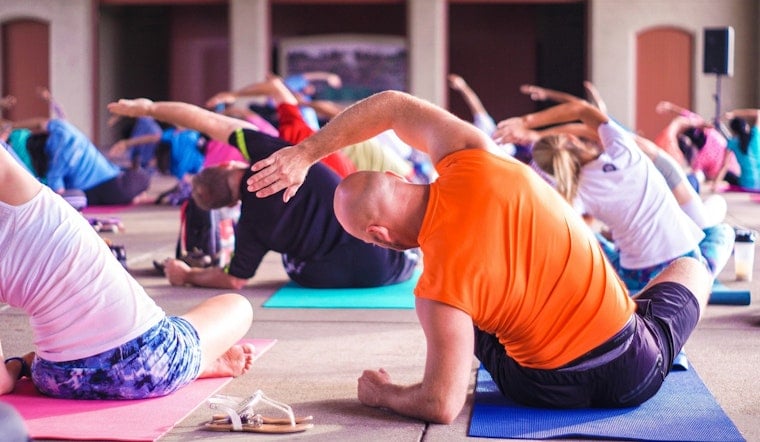
Improving or maintaining mobility doesn't have to mean training for a marathon. Low-impact exercises like walking or swimming can bestow joint mobility and cardiovascular benefits without the high stakes of more rigorous activities. Strength training, yoga, and tai chi can enhance balance and flexibility, cornerstones in the prevention of falls—by far one of the most common fears among seniors. Essential to this regimen is the inclusion of enjoyment, which acts as the glue keeping older adults adhered to a consistent exercise routine, as Kimble emphasized in her dialogue with "Talking...with U of M."
The cross-disciplinary approach to geriatric care espoused by the University of Minnesota extends to the setup of environments conducive to activity, fostering a supportive and holistic pursuit of health. Indoors, they encourage creating spaces clear of clutter for unfettered movement, while outdoors, they tout the development of walkable paths and community gardens to entice engagement with nature alongside physical activity.
Kimble's work encompasses educating future medical professionals in the interdependent influence of physical therapy, geriatrics, and health care across multiple disciplines — a notion central to the Medical School's mission of transforming care and advancing medical knowledge. Her clinical expertise spans older adults, amputation, and stroke recovery, indicating a hands-on understanding of the intricate needs and challenges within these spectra of care. The mission of the Office of Academic Clinical Affairs and the University of Minnesota Medical School, as stated, commits to fostering these progressive dialogues and educational paradigms that address the multifaceted aspects of health care, including the sacred ground of mobility in aging populations.





