

























































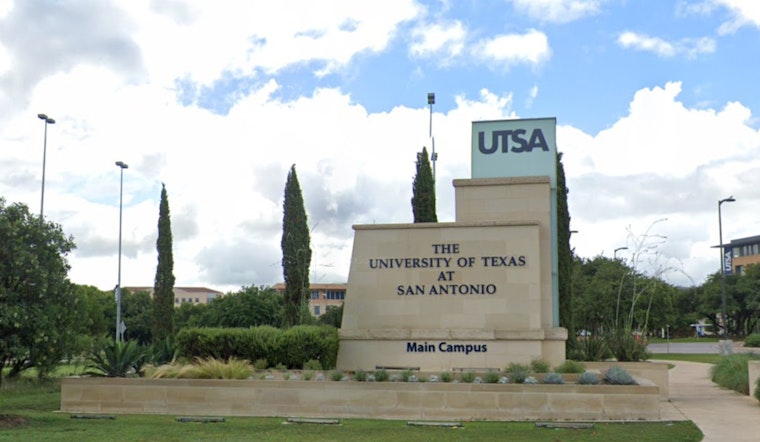
At the University of Texas at San Antonio, students are engaging with the Mexican American experience in an innovative way, by examining the life and legacy of Tejano superstar Selena Quintanilla. Dr. Sonya Alemán, a professor whose own college years unfolded against the backdrop of Selena's meteoric rise, spearheads a course that delves into issues deeper than the lyrics of "Como la Flor." As reported by KSAT, this course transcends a typical music history class, offering instead a safe zone for discussing race, gender, and cultural identity.
Alemán, who was entrenched in Selena's music in the '90s, now reflects on the singer's broader cultural significance, the professor realized there’s an opportunity here where students further connect with Selena's story, relating her challenges in the music industry to their own experiences with identity and self-affirmation; in a statement obtained by KSAT, Alemán said, "The experience that Selena herself went through as a young woman in the industry and look at those stories."
The course, listed officially as "Selena: A Mexican American Identity & Experience," has seen half a dozen iterations since its inception in 2020, heavy with the influence of Selena's career on the Mexican American cultural landscape. This fall, according to UTSA Today, students had the privilege of hearing firsthand accounts from Tejano legend Shelly Lares and Selena's husband, Chris Perez, both of whom added their personal recollections and insights into the curriculum. Alemán integrates these personal narratives, enriching the academic exploration of Selena’s impact.
The class represents more than just an academic inquiry into the life of a beloved musical figure; it is a touchstone for conversations about belonging and the dynamics of race and gender, conversations that may, for some, prove transformative. Alemán's approach encourages students to see themselves not just as passive recipients of wisdom but as active participants, as they relay to the classroom their own interpretations. "To shift the class from ‘I’m going to tell you everything I know, and you’re going to absorb it’ to ‘You’re going to help me generate what we need to know and what we should know by talking to this community about who Selena was’," Alemán told KSAT.




