

























































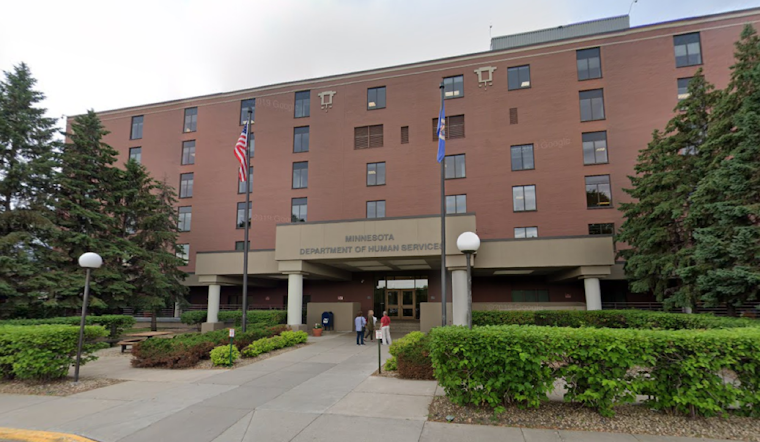
The Aging and Adult Services Division (AASD) and the Disability Services Division (DSD) have rolled out their latest weekly updates, aiming to simplify the complex world of service changes, policies, and upcoming training for consumers, caregivers, and service providers alike. The weekly announcement, which drops every Tuesday, covers a broad range of need-to-know content, from public comment opportunities to system updates that keep the wheels of care support turning.
Among the highlighted issues in their recent bulletin, there's a reminder about the Minnesota Department of Human Services (DHS) seeking public commentary on the movement from acute to nonacute care settings. Interested parties have until October 30, 2024, to voice their insights and experiences. Meanwhile, further consolidating this process, a "complex transitions referral form" will soon be available for all lead agencies starting November 4, 2024, ensuring a wider range of access to necessary support systems.
Technological adaptations continue with the Electronic Visit Verification (EVV) requirements slated for the Safe at Home program effective from January 1, 2025. This particular tweak in policy mandates a specific process for all service providers caught in the program's sweeping embrace. On parallel tracks, the DHS disclosed it will instigate cost-reporting for Community First Services and Supports (CFSS) starting June 1, 2025, due to legislative directives aimed at developing a cost review for organizations that deliver agency-model CFSS services.
The document also included updates on how to incorporate MnCHOICES, a tool for assessment and support planning, particularly affecting those enrolled in managed care and holding a disability waiver. Alongside these announcements, the DHS conveyed the smooth resumption of the Waiver Management System (WMS), which as of October 18, 2024, is operational for users to continue their necessary work. Allocation adjustments and updated consumer directed community supports (CDCS) budgets are now accessible.
Finally, the shared communication points toward the horizon of learning, reminding folks of two significant training events. There's the November 7 webinar on the intersection of technology and the MnCHOICES assessment, and in the latter half of the month, the annual Minnesota Gathering for Person-Centered Practices opens its registrations, with sessions on November 12 and 14, 2024. Those keen on expanding their understanding of person-centered practices should note the available spots, especially in the north region, and the bounty of scholarships that could lighten the financial load of attendance.





