

























































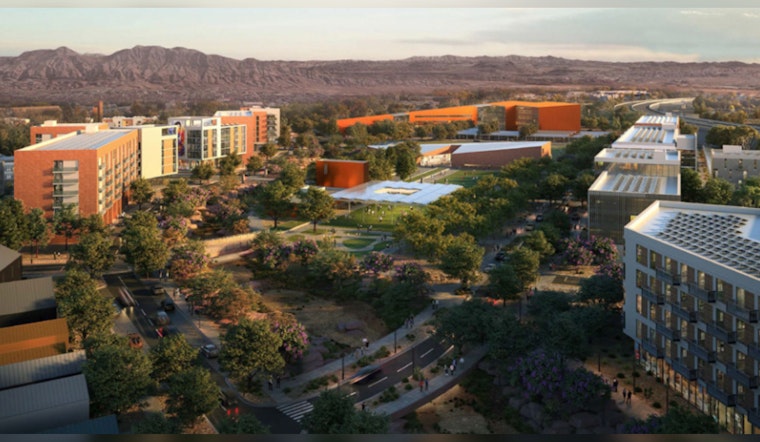
In what marks a significant step for addressing the housing crisis in Nevada, a substantial $25 million loan has been secured by the State Infrastructure Bank to commence the first phase of the Desert Pines Redevelopment Project. The East Las Vegas golf course is slated for transformation into a master-planned community, a venture costing an estimated total of $450 million, according to 8 News Now.
The expansive project will replace the golf course with 1,082 affordable multi-family housing units and an additional 280 market-rate units. The ambitious plan also includes a 10,000 square-foot community center, a 10,000 square-foot early education center, a 30,000 square-foot job training center, and 75,000 square-feet of commercial space. As per the details provided by KTNV, these facilities will not only provide housing but also support community development and job creation in the area.
Nevada Governor Joe Lombardo was enthusiastic about the project's implications for homeownership and the local workforce. "Nevadans deserve ample access to affordable and attainable housing options, and I’m proud to support the largest affordable housing project in Nevada history through the State Infrastructure Bank," he stated. "Through projects like this, we’re helping secure the next generation of Nevada homeownership," as reported by 8 News Now.
The project involves not just the construction of homes but also the generation of approximately 7,400 job opportunities, as outlined in the State Treasurer’s Office news release. With 2,475 planned direct construction jobs and 4,905 supplier and induced jobs, the development represents a beacon of economic stimulation for East Las Vegas. Moreover, the employment strategy includes robust worker protections, requiring at least half the workforce to be local residents and assuring the payment of prevailing wages. A significant 15 percent of the workforce will be made up of registered apprentices, as noted by KTNV.





