

























































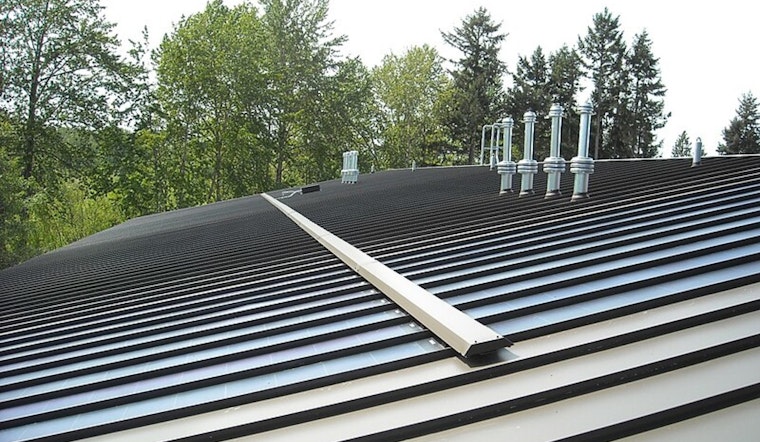
In an innovative collaboration, Arizona State University researchers, the City of Phoenix, and 3M are experimenting with a new 'cool roof' coating designed to alleviate the scorching heat experienced by those at the Phoenix Safe Outdoor Space, an outdoor shelter for the homeless. As reported by ABC15, a section of the shelter's roof received an application of the heat-reflective coating back in August and is undergoing a year-long evaluation period to judge its effectiveness.
Phoenix is testing a high-tech "cool roof" coating at the Safe Outdoor Space. This project is made possible by @ASU and @3M. ☀️🙌🌡️@HeatReadyPHX #PHXSolutions pic.twitter.com/v8YU7XDdrB
— City of Phoenix, AZ (@CityofPhoenixAZ) October 9, 2024
The shelter, intended as a stopgap for individuals not ready to commit to an indoor shelter, offers an area for safer camping complete with basic services to aid in ending homelessness. However, users have noted that despite the shaded areas, high temperatures make conditions increasingly unbearable. "When it's hot, it doesn't matter where you're at under the awning. It doesn't help," Terry Hamilton remarked in an interview with ABC15, underscoring the urgency of finding a solution to the oppressive heat.
The City of Phoenix expressed optimism about the project's potential through a tweet, highlighting the collaborative effort. ASU's field technician Eli Martin shed light on the crucial need for such innovations, telling Roofing Contractor, "We've all seen it, you know, the impact that extreme heat has on marginalized communities," said Martin. "So, being able to make sure that we're protecting everybody from the heat in an equitable manner is really, really important as we get hotter and hotter.."
Prior applications of the cooling film have indicated promising results, leading to a mean radiant temperature decrease underneath a structure by about 3 degrees Celsius, or 5.4 degrees Fahrenheit, according to the same statement by Martin. "That would be awesome," said Hamilton, who currently using the shelter, feeling every degree when providing a reprieve from the heat, "There's no relief under the awning. If it's hot, you're miserable," as stated by Roofing Contractor. If successful, the cool roof coating could offer a significant temperature reduction, bringing a much-needed respite for Phoenix's vulnerable populations.




