

























































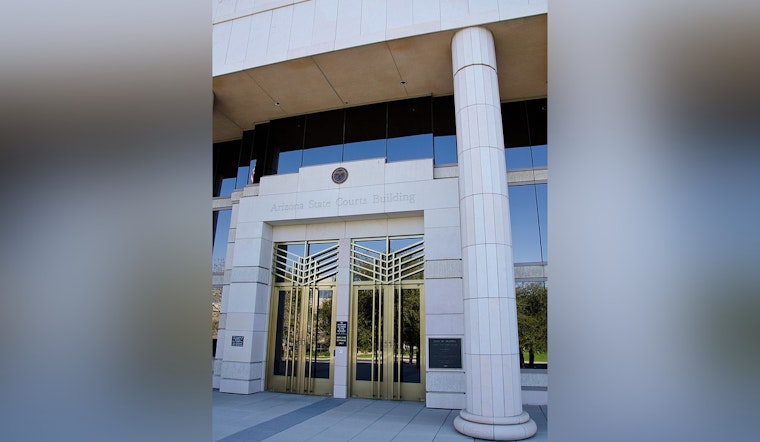
The fight over ballot curing deadlines in Arizona intensified when the state’s Supreme Court denied an emergency request to give voters more time to fix signature issues. The ACLU and LULAC-Arizona had asked for an extension beyond the 5 p.m. deadline on November 10, citing concerns that thousands of early ballots had not been verified for signatures, according to a statement from the Arizona Supreme Court.
The ACLU and LULAC argued that failure to process these ballots in time would lead to voter disenfranchisement. Despite their efforts to secure an extension, the court found the request unnecessary, mentioning no county recorder had reported an inability to provide reasonable notice for curing ballots. The struggle for voter rights seems unending, but at least for this election cycle, the deadline remained firm.
Filed outside of court hours, the emergency petition quickly prompted county recorders to respond to the court's informal request. By the following afternoon, numerous county recorders, including representatives from Apache, Coconino, Pima, and Maricopa among others, delivered their responses. Notably, the Maricopa County Recorder's office stated that "Early ballot ‘processing’ does not mean signature verification. And the fact of the matter is, the Maricopa County Recorder finished signature verification of the last remaining early ballot affidavit signatures on the morning of Fri., Nov. 8, 2024," a statement obtained by Arizona Supreme Court.
This concise rebuttal to the ACLU and LULAC's concerns implies confidence in local election processes that may not assuage the worries of those advocating for voters' rights. As the tensions between voter access and regulatory adherence continue to pull at the seams of democracy, Arizona stands as a case study of this delicate balancing act.





