

























































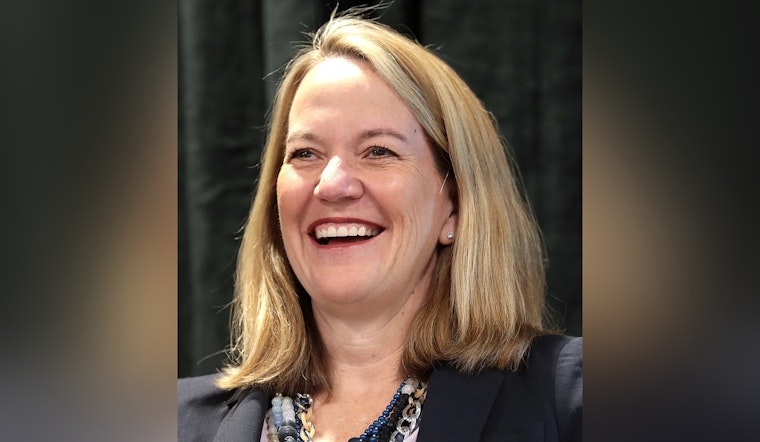
In a strong effort to fight illegal robocalls, Attorney General Mayes, backed by 46 other Attorneys General, urged the Federal Communications Commission (FCC) to update its Robocall Mitigation Database (RMD). The coalition aims to close a loophole that scammers use to access the U.S. phone network. "Illegal robocalls are not only annoying—they're a gateway to fraud and scams affecting millions of Americans," Mayes said, stressing the seriousness of the issue, according to the Arizona Attorney General's office press release.
Despite previous efforts to mitigate this intrusive and often deceptive practice, perpetrators continue to inundate American citizens with unsolicited calls and texts. According to an Arizona Attorney General's office press release, since its establishment in 2021, the RMD has fallen short of effectively filtering out illegitimate operators. Companies can currently submit non-vetted information with negligible repercussions, thereby saturating the telephone network with fraudulent communications.
To tighten the reins, the coalition is pushing the FCC for measures that would require service providers to submit precise data, adhere to submission deadlines, and undergo validation checks to eliminate inaccurate or suspicious listings. More significantly, they are advocating for the imposition of meaningful penalties, including barring non-compliant providers from authorization and operation within the national telephone system. These changes aim to fortify the defenses against the influx of illicit robocalls that plague so many in the United States.
Attorney General Mayes, an active participant of the Anti-Robocall Litigation Task Force, is among those leading the charge by investigating and executing enforcement actions against key players in the robocall ecosystem. The coalition, which unites the Attorneys General from states as diverse as California, New York, and Texas, and including from the District of Columbia, is determined to see a tangible reduction in the volume of these invasive calls and safeguard consumers from the associated risk of scams and fraud.





_(cropped).jpg)