

























































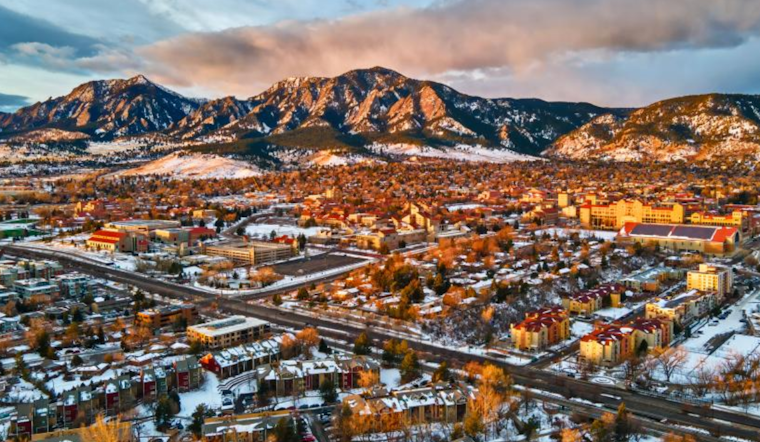
Boulder has hit a significant mark in its climate action plan, according to a recent report. The city's latest Greenhouse Gas (GHG) Inventory revealed a 7% decrease in emissions from 2022 and an overall 24% reduction since 2018. In a push to fulfill its climate objectives, Boulder's results are a nod to its goal of a 70% emission reduction by 2030, and net zero by 2035, according to the City of Boulder.
Jonathan Koehn, Boulder's Climate Initiatives Director, underscored the collective efforts behind these achievements. "Our community has made tremendous strides in reducing emissions and advancing climate action," he said, as obtained by the City of Boulder. Despite the progress, Koehn acknowledged the long road ahead, emphasizing that innovation, investment in cleaner energy, and sustainable practices are crucial for meeting the ambitious targets.
One primary area of success has been a reduction in building electricity emissions. Boulder has capitalized on cleaner energy sources and lessened consumption to achieve this feat. The city is ramping up investments in high-performance buildings, free from emissions, to bolster its climate initiatives further. These efforts include financing for efficiency upgrades and electrification, aimed at affordability and accessibility, particularly for lower-income residents.
Boulder's partnership with Xcel Energy continues to be pivotal, striving for a 100% emissions-free electricity supply. This includes harnessing local solar energy, a sector where participation in renewable programs and rooftop solar installations has seen a 237% boost since 2018. "In 2023, Boulder achieved its 2030 goal of 100 MW of local generation, a milestone that strengthens the community's capacity to reduce emissions in the building energy sector," remarked Kate Galbo, Senior Sustainability Data Analyst, as per City of Boulder.
Transportation stands out as a stubborn source of emissions, mainly from inbound traffic including commuters and visitors. Kate Galbo noted the challenges in this sector, suggesting that accessible and sustainable transit options and continuing the transition to a cleaner grid will be critical. The report calls on community members to make small, conscious choices that contribute to broader climate goals, highlighting the importance of individual actions in the collective fight against climate change.




